SYDNEY: Apple’s CEO Tim Cook declared at today’s joining between the Apple TV streaming box and the HBO Now streaming TV service.
There is little doubt that of all the recent techno telly plays the Chrome cast, Australia’s Stan, Presto and Netflix, America’s ubiquitous Roku, and Sling TV’s channel streaming service a wedding between Apple and HBO is the grandest of occasions.


In a nutshell, HBO will launch its standalone streaming service, HBO Now, in April.
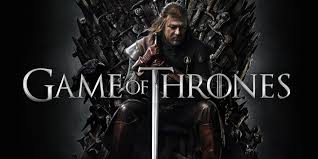
That’s big news for US consumers, a vocal segment of who are tired of paying a fuller cable bill of up to $US100 just so they can watch Game of Thrones. That service, which will sell for $US14.99 a month, with a month free trial, will be exclusively tied to the Apple TV box for its first three months.
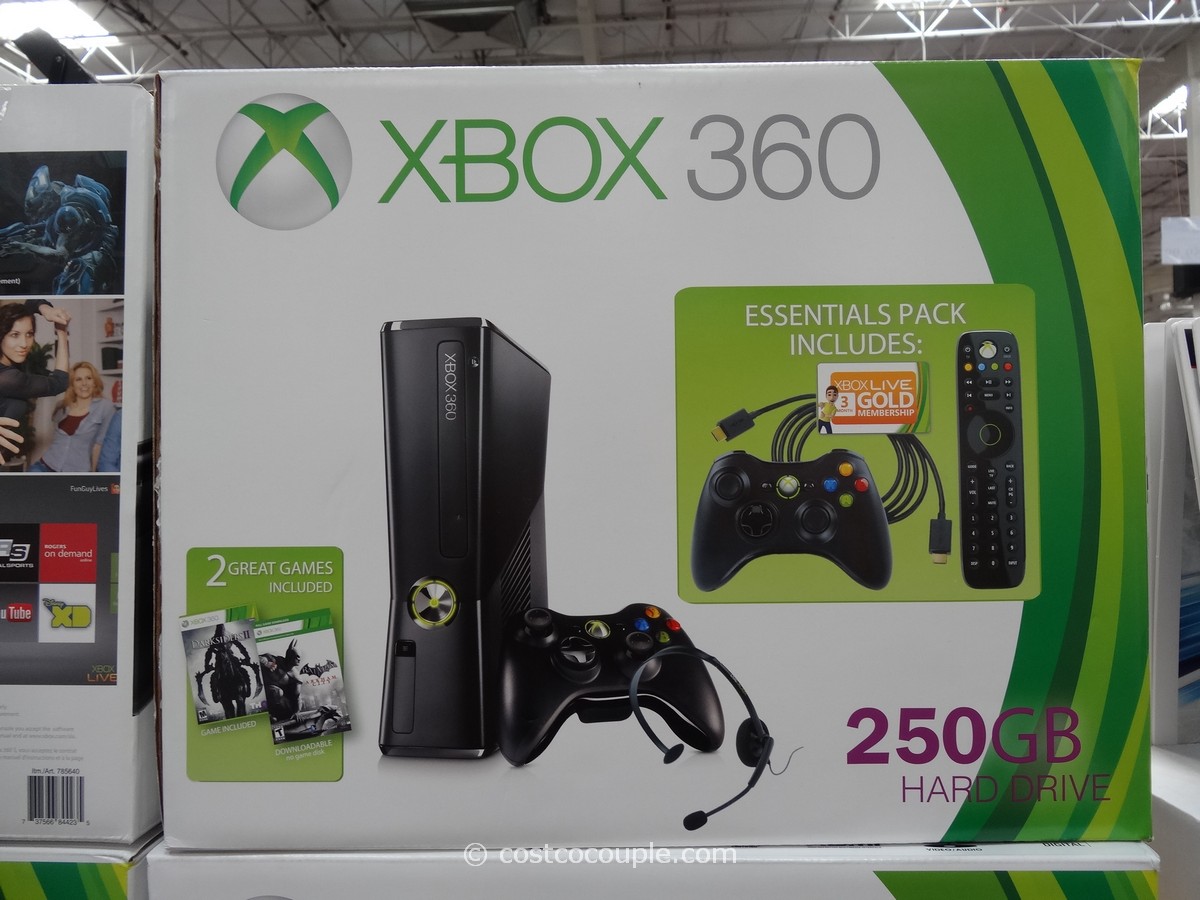
After that, presumably, it expands to other streaming devices in the market such as the Chrome cast and the Roku, PlayStation 3 and 4 and Xbox 360 and Xbox One.
It’s also big news for Australians, who have a robust history of helping themselves to the best the world has to offer.
For example, although Netflix is still opening its doors in Australia, it is widely accepted that a large number of Australians have been using virtual private network (VPN) services to access the US Netflix for several years.
Barring a change to how such services handle customer transactions, or how Australia filters the internet, there is little reason to doubt that many Australian-based US Netflix subscribers will find HBO Now an equally attractive offering.
In broader terms, though, an Australian HBO Now is unlikely.
HBO may fully control some of its most powerful assets, such as Game of Thrones, but the international rights for much of its older American library programs such as The Sopranos, Six Feet Under, Sex and the City and Entourage are controlled by other studios.
That said, the Apple-HBO deal does, however, hint at a larger trend globally, in which cable companies the incumbent one-stop-shop for content sellers are being replaced by a new generation of devices which funnel content via apps, effectively allowing single operators an equal seat at the table.
But the clock is ticking. Apple knows it. And so does HBO. And both, smartly, have made their move, sealed in a union which may reset the way TV business is done for decades to come.