Customs Today
  • Home
  • Islamabad
  • Karachi
  • Lahore
  • National
  • Transfers and Postings
  • Chambers & Associations
  • Business
No Result
View All Result
Customs Today
  • Home
  • Islamabad
  • Karachi
  • Lahore
  • National
  • Transfers and Postings
  • Chambers & Associations
  • Business
No Result
View All Result
Customs Today
No Result
View All Result
Home International Customs Kuwait

Arab govt debts rise sharply in 2015: S&P – $134bn seen in 2016

byCT Report
02/03/2016
in Kuwait
Share on FacebookShare on Twitter

KUWAIT CITY: Borrowing by leading Arab governments has more than doubled last year and is forecast to remain high in 2016, Standard and Poor’s ratings agency reported on Tuesday. The debt taken by 11 Arab nations rated by the agency, including the oil-rich Gulf Cooperation Council (GCC) states, shot up to $143 billion last year from $70.6 billion in 2014, S&P said in a report.

Last year’s figure includes $30 billion debt by Iraq which was added to the list for the first time. The governments of the GCC states — Bahrain, Kuwait, Oman, Qatar, Saudi Arabia and the United Arab Emirates — borrowed $40 billion last year, including $26 billion by OPEC heavyweight Saudi Arabia, the agency said.

You might also like

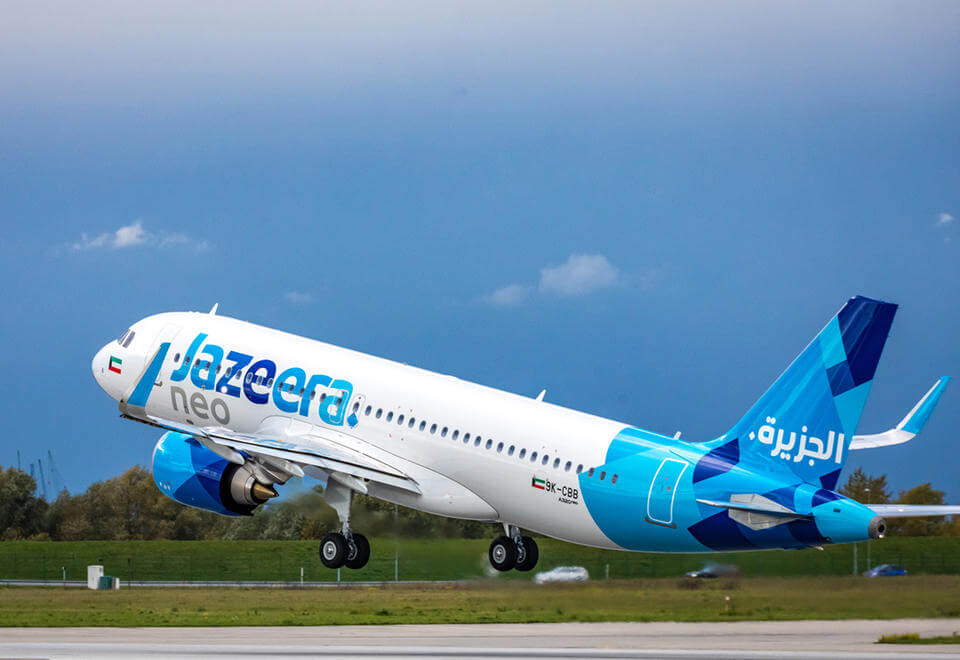
Kuwait’s Jazeera Airways inks $1.3 billion engines deal

04/02/2020

Proposed Kuwait metro to stretch over 160 kms, host 68 stations

23/01/2020

Egypt topped the list with $44 billion borrowed in 2015, it said. S&P projects that borrowing by the same Arab nations will drop only six percent to $134 billion, of which the GCC share will be $45 billion. The 2016 projections are based on the assumption that most GCC countries will draw down on their huge fiscal reserves to finance budget deficits resulting from low oil revenues.

The gross total commercial debt by Arab governments is forecast to reach $667 billion by the end of this year, up $85 billion on 2015, the agency said. A report by Kuwait Financial Centre (Markaz) last month forecast that the public debt of the GCC states will double by 2020 as they seek to finance budget deficits caused by sliding oil prices.

After having posted massive deficits of $160 billion last year and faced with a $159-billion deficit in 2016, the GCC states’ debt is expected to rise to 59 percent of gross domestic product (GDP), the report said. In contrast, GCC states posted a combined surplus of $220 billion in 2012.

Related Stories

Kuwait’s Jazeera Airways inks $1.3 billion engines deal

byadmin
04/02/2020

Kuwait-based Jazeera Airways has signed an agreement with CFM International to support the LEAP-1A engines that power the airline’s fleet...

Proposed Kuwait metro to stretch over 160 kms, host 68 stations

byadmin
23/01/2020

Kuwait’s Public Authority for Roads and Transport (PART), announced its plans for new construction projects that include features of the...

NEW YORK, NY - JANUARY 10: A screen displays Industrials Average after the close on the floor of the New York Stock Exchange (NYSE) on January 10, 2020 in New York City. Amid new sanctions on Iran and 145k more U.S. jobs added and wage growth in December, the Dow topped the 29,000 milestone before pulling back to 28,823.77.   Kena Betancur/Getty Images/AFP

Middle East tensions could impact markets after strong end to 2019

byadmin
14/01/2020

KUWAIT: Financial markets enjoyed a strong end to 2019 with the US S&P equity index up 3 percent m/m and...

Saudi Arabia, Kuwait ink deal to resume joint oil output

byadmin
30/12/2019

KUWAIT CITY: Saudi Arabia and Kuwait signed an agreement to resume pumping at two major oilfields in a shared neutral...

Next Post

Qatar-Italy trade reaches $3bn in 2015

  • Terms and Conditions
  • Disclaimer

© 2011 Customs Today -World's first newspaper on customs. Customs Today.

No Result
View All Result
  • Transfers and Postings
  • Latest News
  • Karachi
  • Islamabad
  • Lahore
  • National
  • Chambers & Associations
  • Business
  • About Us

© 2011 Customs Today -World's first newspaper on customs. Customs Today.