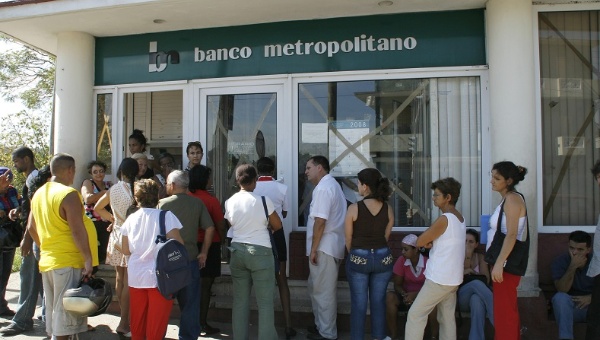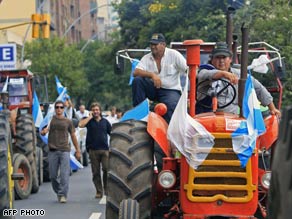
BUENOS AIRES: Three of the four major organizations representing Argentine farmers and ranchers began a five-day halt to sales of grain and livestock to protest the agricultural policies of President Cristina Fernandez.
The Confederacion Intercooperativa Agropecuaria, Confederaciones Rurales Argentinas and Sociedad Rural Argentina want an end to restrictions on grain exports and measures to counteract the erosion of profit margins in the sectors.


The Federacion Agraria Argentina has not endorsed the protest.
Organizers expect the strike to have no impact on the supply of food for Argentine consumers, Confederacion Intercooperativa Agropecuaria president Egidio Mailland told Radio America.
Unfavorable exchange rates and high inflation have made it impossible for Argentine growers and ranchers to cover their costs, Mailland said.
The strike “is not the best solution, and instead we need to keep talking,” Cabinet chief Anibal Fernandez (no relation to the president) said during his daily press conference.
He attributed the farmers’ difficulties to market conditions, notably “a phenomenal slump in prices,” and said that while “there are those who seek public policies of a different color, the conditions do not exist to implement them.”
President Fernandez has been at odds with the most powerful elements in the agriculture sector since taking office nearly eight years ago.
In 2008, Argentina – one of the world’s top grain exporters – lost millions of dollars to commercial strikes and other disruptive protests.
That conflict began when the Fernandez administration imposed a calibrated tax on soy exports, seeking to capture some of the immense windfall garnered by Argentine agribusiness during years of a booming international market.