CANBERRA: The Australian Taxation Office has its sights on a $30 billion-a-year natural gas export bonanza expected over the next few years, warning oil and gas giants not to follow the lead of the big miners and “inappropriately shift profits” by selling through tax haven Singapore. At the same time, it has offered mining giants such as BHP Billiton relief from its crackdown on so-called “marketing hubs” if they declare all the income from existing Singaporean operations in their Australian tax bills. The moves are revealed in a final version of guidance to industry on the use of offshore hubs, to be released today, which also includes the creation of a new low-risk “white” zone and other concessions to industry.
In August last year, the tax office announced it would be colour-coding the hub operations of resources companies, from green to red depending on how aggressively they minimise tax, as part of its broader attack on profit shifting from Australian to low-tax jurisdictions. Resources companies use the hubs to sell to customers in Asia and say they are legitimate businesses that boost the prices they can obtain. However, the ATO is concerned too much profit is being funnelled through them, and has imposed a profit limit of a 100 per cent mark-up on any hub that wants to remain in the safest zone, green.

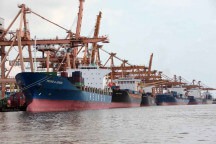
Liquefied natural gas is included among “current compliance hot spots” listed in today’s guidance note. The ATO says the industry is undergoing “structural change”, with LNG volumes to surge as projects under development come on line. “While we accept the implementation of business strategies to manage commercial risks, we are concerned that taxpayers are using these changes in the industry to introduce arrangements with offshore hubs that inappropriately shift profits,” it says. “We are particularly concerned where sales of LNG have previously been sold by the Australian production entity directly to third parties via offtake agreements entered prior to the group’s final investment decision being made. In these circumstances, the ATO will be seeking evidence to support that an arm’s length party acting wholly independently would be selling its LNG through a hub.”
The ATO’s pursuit of the gas sector has been emboldened by its Federal Court win in 2015 against Chevron, which is building the giant Gorgon project, over a $270m tax bill related to $US2.5bn advanced by the US part of the company to finance the project. Chevron’s appeal against the ruling is due to be heard late next month. Despite a global slump in the international oil prices that LNG contracts are priced on, $200bn of boomtime investment over the past decade means Australian LNG export receipts are expected to jump from $18bn last financial year to $47.1bn by 2020-21, according to the Department of Industry, Innovation and Science. This makes it by far the biggest expected short-term contributor to Australian export growth and will make LNG the nation’s second-biggest export after iron ore. The boomtime investment, which was unlike anything else anywhere in the world at the time, means most of the world’s global oil and LNG giants will be operating in Australia.
And while they will be receiving more revenue here, depressed oil prices mean it will be less than expected and will see the oil giants focus on maximising after-tax profits they receive from their giant processing plants, which freeze Australian natural gas for export. Among companies likely to be in the ATO’s sights are Shell, Woodside Petroleum, ExxonMobil and Chevron, which all have or are setting up Singapore trading hubs. Chevron is building the $60bn Gorgon and Wheatstone LNG projects in Western Australia and is a partner in the Woodside Petroleum-operated North West Shelf. Shell runs the Prelude and Queensland Curtis LNG projects and is a partner in Gorgon and the North West Shelf. ExxonMobil is a partner in Gorgon partner, and Woodside also runs the Pluto project and is a partner in Wheatstone.