Customs Today
  • Home
  • Islamabad
  • Karachi
  • Lahore
  • National
  • Transfers and Postings
  • Chambers & Associations
  • Business
No Result
View All Result
Customs Today
  • Home
  • Islamabad
  • Karachi
  • Lahore
  • National
  • Transfers and Postings
  • Chambers & Associations
  • Business
No Result
View All Result
Customs Today
No Result
View All Result
Home International Customs South Africa

August downturn makes SA equities even cheaper

byadmin
07/10/2019
in South Africa
Share on FacebookShare on Twitter

August’s drop was due largely to external factors, such as further investor concerns over global growth due to an escalation in the US-China trade war and growing signs of slowdowns in the EU and China.

At the same time, we saw some local developments also weighing on market sentiment and the rand. These included worries over the government’s growing National Budget deficit on the back of both a larger revenue shortfall than expected and higher spending on bailing out Eskom and other SOEs, as well as longer-term spending on the new National Health Insurance (NHI) plan.


You might also like

lamic banking assets reach Rs14.47 trillion, sector share rises to 23%

07/03/2026
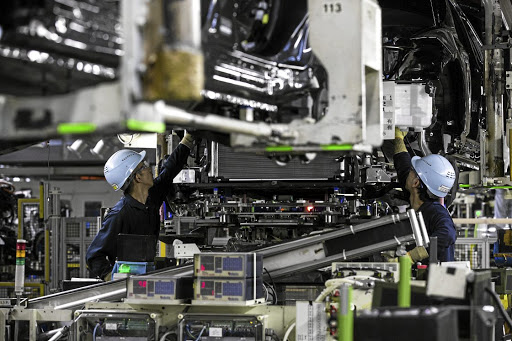
Toyota Motor Corp. employees work on the Crown vehicle production line at the company's Motomachi plant in Toyota City, Aichi, Japan, on Thursday, July 26, 2018. Toyota may stop importing some models into the U.S. if President Donald Trump raises vehicle tariffs, while other cars and trucks in showrooms will get more expensive, according to the automaker’s North American chief. Photographer: Shiho Fukada/Bloomberg

Toyota SA to invest over R4 billion in car assembly and parts

05/02/2020

The likelihood of a Moody’s sovereign credit rating downgrade also rose. SA equities have performed poorly for some five years now, recording a return of only 4.7% per year for the five years to the end of August 2019 (ALSI). This compares to the historic annual average of around 13%, or 7% above inflation.

And while this has put significant pressure on investors wanting solid capital growth above inflation, it also means that our equity market is currently very cheap: investors should take advantage of the good value on offer.

Using a 12-month forward price-earnings (PE) valuation measure, for example, at 30 August 2019 the FTSE/JSE Capped SWIX Index was trading at only 11X including Naspers, or 10X excluding Naspers. It was last at such a low level in early 2009 as the market was recovering from the Global Financial Crisis.

Meanwhile, the overall market’s dividend yield as of the end of August was approximately 5%, attractively high compared to history. Should all things remain the same with no increase in the PE, based on our analysis, Prudential estimates equities are priced to deliver a return of around 9% above inflation over the next three to five years.

However, if the market PE rises back to its historic long-term average and company earnings growth doesn’t disappoint, then it could offer an even higher return over the longer term.

Of course we don’t know how or when these prospective returns will materialise, only that, based on its past performance over decades, the equity market should offer excellent returns from these current valuation levels over the long term.

It’s important for investors not to be dissuaded by the negative sentiment currently prevailing; they should instead increase their exposure to equities where their risk profile allows.

Related Stories

lamic banking assets reach Rs14.47 trillion, sector share rises to 23%

byCT Report
07/03/2026

KARACHI: Pakistan’s Islamic banking sector expanded during 2025, increasing its share in the country’s financial system with assets reaching nearly...

Toyota Motor Corp. employees work on the Crown vehicle production line at the company's Motomachi plant in Toyota City, Aichi, Japan, on Thursday, July 26, 2018. Toyota may stop importing some models into the U.S. if President Donald Trump raises vehicle tariffs, while other cars and trucks in showrooms will get more expensive, according to the automaker’s North American chief. Photographer: Shiho Fukada/Bloomberg

Toyota SA to invest over R4 billion in car assembly and parts

byadmin
05/02/2020

Toyota SA Motors (TSAM) has announced a R4.28bn investment in local vehicle assembly and parts supply. Speaking at the company’s...

Toyota Motor Corp. employees work on the Crown vehicle production line at the company's Motomachi plant in Toyota City, Aichi, Japan, on Thursday, July 26, 2018. Toyota may stop importing some models into the U.S. if President Donald Trump raises vehicle tariffs, while other cars and trucks in showrooms will get more expensive, according to the automaker’s North American chief. Photographer: Shiho Fukada/Bloomberg

Toyota SA to invest over R4 billion in car assembly and parts

byadmin
03/02/2020

Toyota SA Motors (TSAM) has announced a R4.28bn investment in local vehicle assembly and parts supply. Speaking at the company’s...

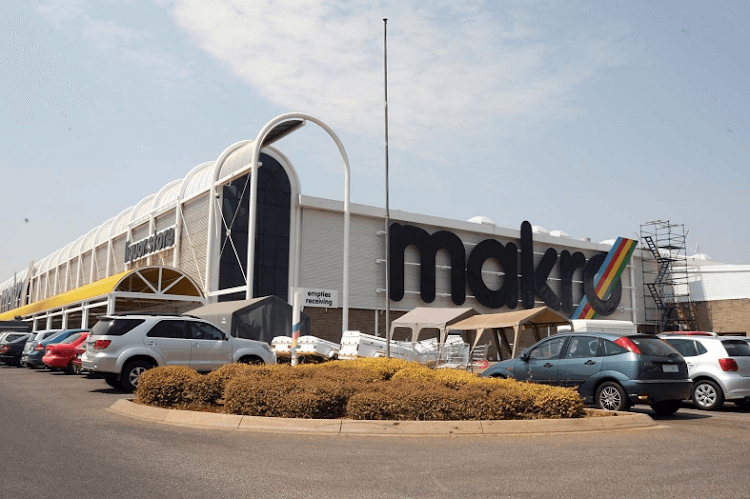
Massmart warns of almost R1.4bn loss as SA consumers struggle

byadmin
30/01/2020

Walmart-owned retailer Massmart, whose brands include Makro and Game, warned on Thursday it had swung into a loss in its...

Next Post

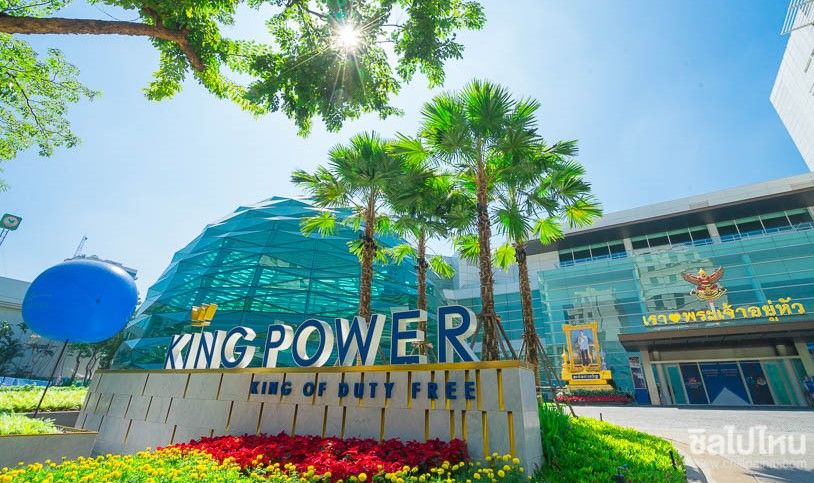
Thai duty free giant King Power considers move into UK hotel industry

  • Terms and Conditions
  • Disclaimer

© 2011 Customs Today -World's first newspaper on customs. Customs Today.

No Result
View All Result
  • Transfers and Postings
  • Latest News
  • Karachi
  • Islamabad
  • Lahore
  • National
  • Chambers & Associations
  • Business
  • About Us

© 2011 Customs Today -World's first newspaper on customs. Customs Today.