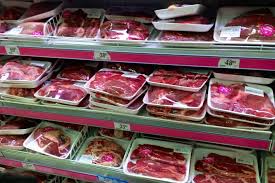
SYDNEY: Australian beef exports are likely to fall short of official estimates in the year to June, with ranchers in the world’s third-biggest supplier culling fewer cows as heavy rains revive pastures scorched by a prolonged drought, analysts said.
A slower slaughter rate could boost Australian cattle prices to record highs and ramp up costs for key consumers such as the United States, which is battling tight supply at home, while forcing others such as China to opt for Brazilian beef.


But it will also ease concerns about long-term global shortages as the rains in Queensland – Australia’s largest cattle producing state and home to about half the national herd – will allow farmers to rebuild stocks that are at 17-year lows.
“It is dependent on follow-up rain but we do expect a pretty sharp correction in slaughter rates and much tighter exports,” said Matt Costello, animal proteins analyst, Rabobank.
Rabobank estimates that total cattle slaughter will fall to approximately 8 million head, with lower slaughter rates to continue over the next five years as producers look to rebuild.
Australia had forecast 2014/15 beef exports at 1.18 million tonnes and the slaughter of 9.35 million head.
The Australian benchmark Eastern Young Cattle Indicator hit A$442.50 ($361) a kilogram on Monday, the highest since the creation of the index in 1996, on expectations of lower supply. Prices hit three-year lows in 2014 when wilting pastures forced farmers to sell animals at a record pace.
While higher prices could turn some buyers away, Australia’s sales to the United States – which accounts for over a third of its exports – will remain steady, analysts said.
“We will still sell into the U.S. despite the rally,” said Paul Deane, senior agricultural economist, ANZ Bank. “If you look at the U.S., the market is very tight and slaughter numbers are well back year-on-year.”
Brazilian beef is prohibited from being imported into the United States due to concerns about foot-and-mouth disease.
Higher cattle prices will offer some financial respite to Australian farmers, but analysts cautioned the sector was not out of the woods yet as much of the country’s prime grazing area continues to struggle with drought.
Pockets of Queensland and South Australia have recorded the lowest rainfall in 27 months, data shows.