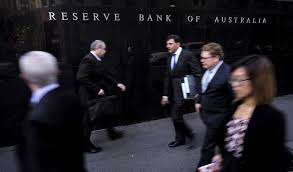
CANBERRA: Australia’s central bank took account of high household debt while holding interest rates at record lows this month, arguing faster wage growth was needed to assure a long-awaited recovery in inflation.
The Reserve Bank of Australia (RBA) has left rates at 1.50 percent since last easing in August 2016, the longest spell of stable policy since the early 1990s.


That had helped in reducing the unemployment rate to 5.5 percent and bringing inflation closer to its 2-3 percent target band, minutes of the RBA’s March meeting showed.
“Further progress on these goals was expected over the period ahead, but this process was likely to be gradual,” the minutes showed.
Still, policy makers remained confident Australia’s economy will “exceed potential growth” in 2018, helped by a synchronised upturn in global activity.
Their optimism was somewhat tempered as the RBA removed an earlier reference to economic growth of a “little above 3 percent” over the next two years.
Data out this month showed growth in Australia’s A$1.8 trillion (£1 trillion) economy slowed last quarter as bad weather hit exports, although stronger consumption helped extend its 26-year run without recession.
The annual pace of growth braked to a disappointing 2.4 percent, from an upwardly revised 2.9 percent in the September quarter.