MELBOURN: Australia has avoided the embarrassment of having one of its top tourist attractions put on the United Nations’ list of endangered heritage sites, but has been called on to report back on its conservation efforts within the next 18 months.
A draft decision by the U.N. Educational, Scientific and Cultural Organization’s World Heritage Committee released late Friday acknowledged a 35-year plan outlined earlier this year by Prime Minister Tony Abbott that pledged $100m funding for preserving the reef and sets targets for restoring water quality.


However, the committee said the government needed to provide a report by December 2016 confirming the launch of its plans had been effective, followed by a review in 2020 detailing the results for each of the government’s targets.
The committee’s recommendation not to add the reef to its list of endangered sites was welcomed by the conservative government and the opposition Labor party, though environmental groups said the country should consider itself on probation.
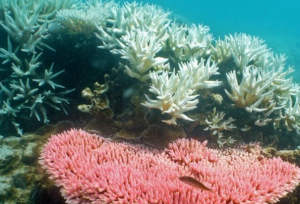
The committee, referring to a 2014 report on the Great Barrier Reef, said that the outlook for the site was poor, and that climate change, poor water quality and the effects of coastal development were major threats to its health. Crucial habitats, species and ecosystems in central and southern inshore areas of the reef continued to deteriorate, it said.
The World Heritage Committee is due to confirm its draft decision at its June meeting. A blacklisting would have been a major blow to Australia’s environmental reputation.