ISLAMABAD: The government has reduced duties for new entrants and existing vehicle manufacturers in the new Automotive Policy 2016.
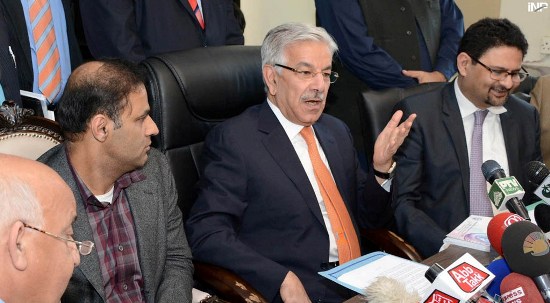
Minister for Water and Power Khawaja Asif, addressing a press conference, said the new automotive policy approved by the Economic Coordination Committee (ECC) would be valid for five years till 2021.


Under the new policy, he said duties for imported parts which were not made in Pakistan would be reduced from 32.5 per cent to 30per cent and for those which were made in Pakistan would be cut from 50 per cent to 45 per cent from next financial year (July 1, 2016).
From the financial year 2017-18, duties on locally finished vehicles would be reduced by 10 percent, he added.
The minister said the policy was prepared with input from all the stakeholders including ministries of finance, industries and production, Federal Board of Revenue and other players. He said the government acknowledged the contribution of automotive industry in large scale manufacturing.
The auto makers could not properly take advantage of a captive market as was done by motorcycle manufacturers. He said under green field investment incentives were provided for installation of new and independent automotive assembly and manufacturing facilities by an investor for the production of vehicles not already being manufactured in Pakistan.
“Companies would be encouraged to set up new plants and bring equipment without paying duties,” he added.
He said most manufacturers could only be called assemblers as they were using obsolete technology. “The policy was aimed at improving technology and features like air bags, anti lock braking system and fuel efficiency,” the minister added.
Kh Asif said at present Pakistan was not producing any exportable vehicle as the companies lacked international standards. The companies even abandoned deletion programme and were not meeting any engine specifications used worldwide, he added.
The minister said the government would continue to regulate and strike a balance between imported cars and local manufactured ones to protect interests of consumers. The government was getting valuable revenue from import of vehicles, he added.
The minister said the consumers were exploited for the last 25-30 years and the new policy tried to protect interest of the buyers. He said the policy would protect investment of new entrants and its consistency would be ensured. He said the recall policy for vehicles was also taken into account.
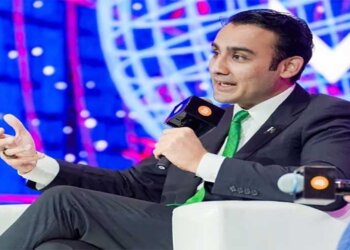
Board of Investment (BoI) Chairman Dr Miftah Ismail said the closed sick units would be given incentives so that they could begin production. “Those who would open plants would get duty exemptions,” he added.
He said green field investment was aimed at providing a level playing field to new entrants who were required to make huge investment for opening dealerships and setting up plants. “If the vehicle market spread to five players instead of the existing three then it could benefit the consumers,” he noted.
He said the bus and truck manufacturing sector would also be promoted through the new policy.
Engineering Development Board Chief Executive Officer Tariq Ejaz Chaudhry said an automobile institute would be established and international standards by a forum for harmonization for vehicle regulations Working Party 29 would be adopted to raise standards of the automotive industry.
On the other hand, the Pakistan Association of Automotive Parts and Accessories Manufacturers (Paapam) has voiced concern over certain aspects of the policy.
In a statement, Paapam Chairman Mumshad Ali said the basic objective behind the much-awaited auto policy should have been to stimulate rapid growth and investment in the automotive sector through incentives for all – new entrants, existing assemblers and auto part manufacturers.
However, he said the policy seemed to be focusing entirely on the new entrants. Ali pointed out that auto policies in regional countries proved to be a catalyst for growth of investment. “They acknowledge contribution of the automotive sector and seek to enhance its role,” he said.
He said that the auto policy approved by the ECC would not make any significant contribution to the goal that the finance minister had set for himself and the country.
“Encouraging the auto industry already existing in the country would have been the best option available to the government,” he remarked.
Ali highlighted what he said were key shortcomings of the policy. Firstly, the SEZ incentives for setting up new capital-intensive plants by the auto part manufacturers to produce new parts must be committed to Paapam.