RIYADH: Saudi banks and petrochemicals dragged down Saudi Arabia because of concern about regulatory intervention and weak oil prices.
Oil continued to drop as Iran and six world powers tried to reach a deal that could add oil to the market if sanctions against Tehran are lifted. The two sides aim to reach a preliminary agreement.
You might also like


The main Saudi stock index fell 1.3 percent as petrochemicals giant Saudi Basic Industries Co edged down 0.7 percent. Ex-dividend Savola Group and Sahara Petrochemical Co, down 1.7 and 7.1 percent respectively, were also among the main drags.
But most pressure came from banks: top lender National Commercial Bank dropped 2.1 percent and leading retail banking player Al-Rajhi Bank fell 1.8 percent. Most other lenders were also in the red.
In a report published last Thursday, Riyadh-based Albilad Capital warned that regulations capping banks’ consumer lending fees, announced last year, had started denting profits.
“The new rules will reduce bank charges and fees and their negative impact started to materialise in the financial statements of the Al-Rajhi bank in Q4 2014,” it said.
Albilad Capital also said that “the indirect effects of lower oil prices over time may lead to the reduction of asset quality, liquidity and profitability in the sector”, although strong capitalisation and liquidity, and low levels of non-performing loans, meant Saudi Arabian banks were well-positioned to cope with any cuts in government spending.
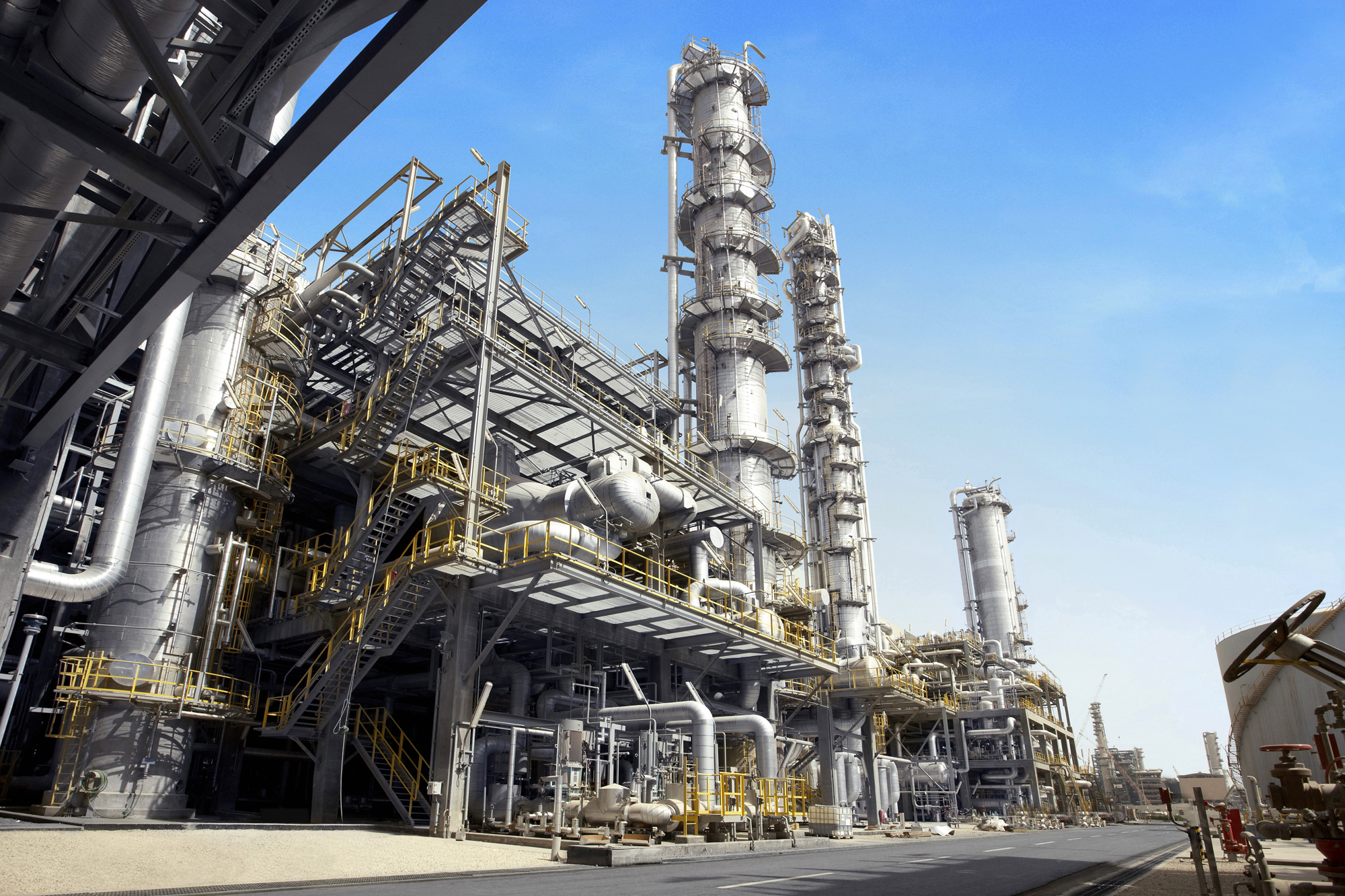
Meanwhile, Saudi International Petrochemical Co (Sipchem) jumped 2.0 percent after announcing its unit would start commercial operations at an ethylene-vinyl acetate (EVA) and low-density polyethylene plant on Wednesday.
Al Hassan Ghazi Ibrahim Shaker Co, which produces and sells air conditioning systems and home appliances, surged its daily 10 percent limit after its board proposed issuing four bonus shares for each five outstanding ones.
The conflict in Yemen remains a concern for some investors but as long as it does not spread over borders, which looks unlikely, it will not drag stocks down sharply, analysts said.
Elsewhere in the region, Dubai’s index edged up 0.2 percent thanks to lenders Dubai Islamic Bank and Emirates NBD which gained 2.0 and 1.8 percent respectively.
Abu Dhabi climbed 1.4 percent on the back of National Bank of Abu Dhabi, which rose 5.0 percent.