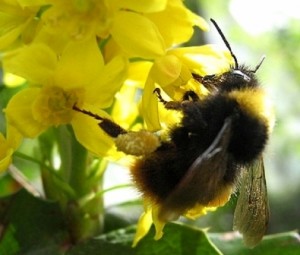


LONDON: The findings of a new research study have found how bees actually use different aspects of different flowers that they visit, to protect themselves from different forms of infections.
The bees make use of these benefits from the flowers that they visit, to which, the researchers say “We found that eating some of these compounds reduced pathogen load in the bumble bee’s gut, which not only may help the individual bees, but likely reduced the pathogen Crithidia spore load in their feces, which in turn should lead to a lower likelihood of transmitting the disease to other bees.”
The researchers also believe that this adaptation of plants- the toxification of their nectar could be a way to protect themselves from spoilage by yeast and other microbes. These compounds basically act as a chemical defence system. “Maybe the compounds are deterrent to nectar robbers, who take nectar without pollinating [and yes,] nectar robbing is indeed a thing.”
To add to that, the researchers also say that these secondary metabolites strongly reduce parasite load, and the effects of these terpenoids, glycosides and alkaloids range between 61-81%. While these secondary metabolites may not be of great help for infected bees, they can surely play a vital role in reducing the transmission within and between the colonies by reducing the intensity of infections.
“With so many people looking at bee health these days, it’s taken a long time for us to realize that perhaps we should be paying attention to how floral secondary compounds mediate pollinator dynamics and their interactions with pathogens,” the researchers conclude.

Karachi Port sets 138-year cargo handling record
KARACHI: Pakistan's maritime sector has achieved a major milestone as Karachi Port set a new record in its 138-year history...