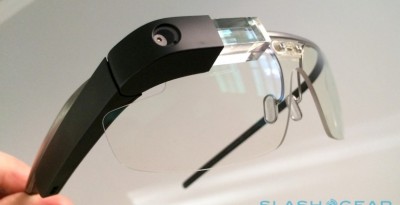
LONDON: Google Glass fails to attract fans at least in its current form. It enters a grand, tragic graveyard of well-meaning but badly-received inventions and technology a place containing flying cars and bad games consoles.
Many inventions promise to change the world, but some never get the chance. That might be because they’re bad but it’s just as often that they come at the wrong time, or are a little confusing. Glass was probably the latter, and Google has said that it is likely to bring it back in some other form.
You might also like


Here are five of Google’s favourite other inventions that were initially expected to change the world, but now mostly languish in obscurity.
Smell-O-Vision
Lots of failed inventions sound like they should work adding smell to films is probably one of them. After colour and sound, smell probably seemed like the inevitable next step, just as after smartphones and smart watches putting technology in users’ glasses seemed obvious.
But after making an appearance in the specially-made 1960 film Scent of Mystery, it never really caught on. The audience got distracted, it needed too much perfume and people found it difficult to stop the scents mixing and becoming too much. As with Glass, people weren’t ready and the implementation wasn’t good enough to convince them.
Smell-O-Vision has repeatedly attempted to mount a comeback, just as Google has suggested Glass might do. But they’ve mostly failed.
Sinclair C5
Launched in 1985, the little Sinclair C5 electric bike was revealed with much talking of it being a revolutionary device and a sign of the future. But it was immediately mocked as a toy, and the people driving it thought stupid and dangerous. (Glass wearers got their own version of that mockery, getting called “glass holes”.)
As such, it didn’t take off. But some have said that the car was ahead of its time, with one transport expert telling the BBC in July that: “The dangers of the C5 weren’t so much to do with its design as the roads and the attitudes of the 1980s”.
Segway
The Segway has always struggled to be taken seriously while it sells itself as the “leader in personal, green transportation”; it’s really more of a fun thing that users can drive around.
Now it’s used mostly as a toy and perhaps as a testament to keeping ambitions small. People are happy to try out gadgets for fun, less if they’re claiming to change their life.
But given even in its statement announcing the closure of the Glass explorer programme Google continued to trumpet the technology’s use in the workplace, it looks like the glasses aren’t ready to stop asking to be taken seriously just yet.
Nintendo Virtual Boy
The Virtual Boy looked a bit like Google Glass, or the bigger Oculus Rift. It was an eyepiece that users could look into and play games with 3D graphics.
Nintendo has admitted that the game was a “commercial failure” but also said that it was an important one. Nintendo’s early experiments with 3D helped make the portable and much more popular 3DS.
The Virtual Boy stands to show that great things can come out of troubled ideas. That might be helpful consolation to Google Glass as it looks towards the future of the project.
Mizar flying car
Part of Google Glass’s appeal should have been that it looked like the future that science fiction promised fans. So does flying cars but the first attempts to do so go terribly?
Advanced Vehicle Engineers made the Mizar by essentially attaching a Cessna plane to a Ford Pinto car. But the poor design plus bad construction meant that nobody wanted to get in it though it did appear in The Man with the Golden Gun.
The flying car shows that the future isn’t always an exciting place, and sometimes is a scary one. Wearable are undoubtedly the future as Google said in its statement, since the project began “interest in wearable has exploded and today it’s one of the most exciting areas in technology” but fans might not be ready for them just yet.