

BRENT: Climate change is such a controversial topic of discussion, endemic with discordance. But while we are busy pointing fingers at each other, placing blame on each others shoulder and in general acting like a buffoon force into a corner, our planet Earth continues to suffer.
Unfortunately, the brunt of this global catastrophe will not be straightaway borne by our present generation, but in the next coming generation. And it is not only us, the human species who will suffer, but also the species from the land and sea kingdom.
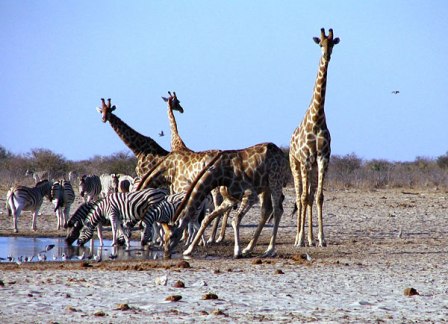
Studies have indicated a high rise of extinction rate, most predominantly for large herbivores as temperatures escalate and their sustenance vegetation becomes scarce.
According to one study, “Global extinction risks increase from 2.8 per cent at present to 5.2% of the international policy target of a 2˚C post industrial rise, which experts believe is no longer achievable. If the earth warms to 3˚C the extinction risk rises to 8.5%. If we follow our current, business-as-usual trajectory… climate change threatens one in six species or 16 %.”
They concluded by saying, “30 years later we are reaching a similar threshold for the effects of climate change on biodiversity. Extinction risks from climate change are expected not only to increase, but to accelerate for every degree rise in global temperatures. The signal of climate change-induced extinctions will become increasingly apparent if we do not act now to limit future climate change.”
And you know what the saddest part of it all? Is that we are in jeopardy of not being able to save the large herbivore species that are being threatened currently.

Karachi Port sets 138-year cargo handling record
KARACHI: Pakistan's maritime sector has achieved a major milestone as Karachi Port set a new record in its 138-year history...