MEXICO: Britain needs to secure significant reforms in its relationship with Europe or risk damaging the £10bn-a-year maritime industry, shipping bosses have warned.
The shipping industry claims that if Eurocrats are able to strengthen their grip on regulation, then Britain will be put at a “competitive disadvantage”.
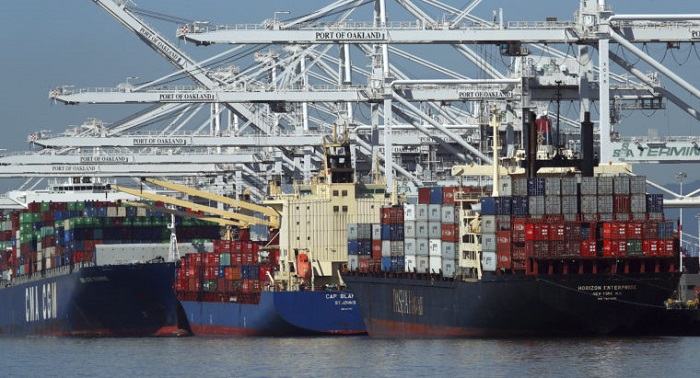

It is the first time Britain’s maritime sector has spoken out on Europe. The comments, which add to growing concern about EU membership among business leaders, come in a report by the UK Chamber of Shipping, which represents 170 major ship operators including P&O, Stena and the UK operations of overseas giants Maersk and CMA CGM.
The report acknowledges that while the single market has delivered “huge benefits” to shipping, an expansion of EU powers could harm Britain’s maritime sector, which employs 240,000 UK workers.
Guy Platten, chief executive of the chamber, said: “The UK has persistently tried to keep its foot on the brakes of ‘ever closer union’. If it votes to stay in the EU without significant reforms, then the European Commission could see it as a green light to finally put its foot down on the accelerator. This will likely result in more, not less regulation.”
Maritime leaders are now trying to alert David Cameron, the Prime Minister, and the public to what they see as the dangers of a vote to stay in the EU without Britain first winning significant concessions on Brussels’ regulatory powers.
Mr Platten added: “Access to the single market has helped to drive growth in trade with our closest neighbours. The loss of tariffs and increased competition in the supply chain has boosted custom, driven down costs and allowed the conditions for job creation, economic and social progress.
“But the attitude of the European Commission appears to be ‘regulate where possible’ and not ‘regulate where necessary’ – which has created a sense of ‘mission creep’ resulting in a centralisation of power in Brussels.”
The chamber added that shipping already works under global regulations imposed by the International Maritime Organisation (IMO).
David Balston, the chamber’s policy director added: “The IMO creates a global level playing field. But when a regional power such as the EU creates its own regulation, then that global level playing field becomes distorted, and major maritime nations such as the UK feel the impact more than most.”