ISLAMABAD: The PTI government will present its second annual budget 2020-21 with the major thrust to manage the ongoing COVID-19 pandemic with fiscal interventions but all will have to be done folded into “fiscal discipline” under the tight scrutiny of the IMF programme.
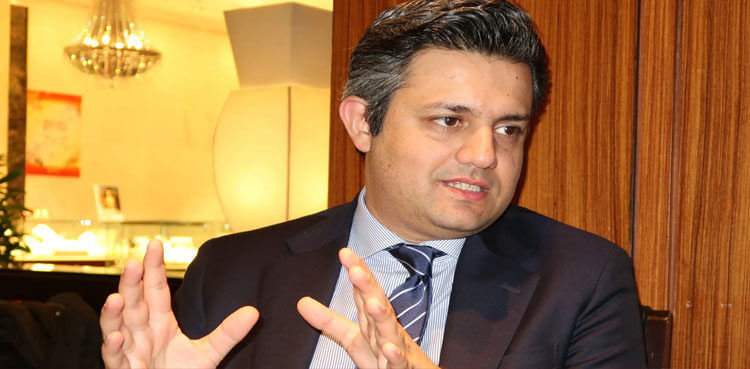
According to the details, Federal Minister for Industries and Production Hammad Azhar will deliver the speech for budget 2020-21 with a total outlay of over Rs8 trillion whereby the government will make an all-out effort to restrict the overall budget deficit at over 8% of GDP especially the primary deficit to bring at 0.4% of GDP within the desired limits of the IMF programme.

The Federal Bureau of Revenue’s (FBR) tax collection has been envisaged at Rs4.95 trillion and non- tax revenue target of Rs1.2 trillion for the next budget.
It is a dilemma for the economic managers at the Centre that after payment of resources to provinces in accordance with NFC Award and clearing liabilities of debt servicing, the federal government literally comes at zero revenues. So Islamabad had to borrow to meet all remaining expenditures heads such as defence, development and running of the government.
On the expenditure side, the pension bill is also becoming another monster as the government is estimating to pay Rs475 billion from its national exchequer in the coming budget. Although the public sector employees are expecting a raise in salaries and pension around 10 to 12%, the government must announce its intention to undertake pension reforms after getting the report from the high powered Pay and Pension Commission working under the supervision of former bureaucrat Abdul Wajid Rana.
The sustainability of the budget has brought major issues for budget makers because it is becoming unsustainable with every passing year. The budget is unsustainable when, after meeting the unavoidable or legally required expenditures, there is little room left for other expenditures which, though not legally required, are very important to provide for public services and public investment. These expenditures are called “discretionary”.
In practice, there is no absolute distinction between “discretionary” and “non-discretionary” areas of expenditure.
The problem of fiscal sustainability which the federal government is facing is that the amount of space in the budget remaining for “discretionary spending” after meeting the non-discretionary items, has been declining year after year. This has happened for several reasons: first, federal revenues have risen only modestly and from a base which is very low by international standards (as measured, for example, by the revenue/GDP ratio); second, the share of the budget used to meet debt service obligations has risen steadily; third, the size of the public sector workforce has continued to grow, and this in spite of the provisions of the 18th Amendment of the Constitution, which should in principle have led to a reduced federal workforce as important service delivery responsibilities of the federal government were transferred to the provinces.
The steady erosion of discretionary space in the federal government budget can be most clearly seen in the reduction in the size of the Public Sector Development Programme (PSDP) when measured as a share of GDP. This ratio has fallen from 4.7% in 2006-07 to 1.42% in the expenditure going to incur in the next budget for 2020-21.
However, it has also led to chronic pressure on the non-salary component of the recurrent budget and is reflected in divisions having inadequate operation budgets to provide quality services.
If the present trends continue, within a few years there will be no space in the budget for development programmes which will have very serious long- term impact on national development.
It will not be an easy task to reverse the existing trend towards reduced fiscal space. Any solution will necessarily involve politically difficult policies aimed at addressing the underlying causes of the problem. Such policies include “right-sizing” of the federal public sector staffing in the light of the 18th Amendment, more effective policies and administrative systems to increase federal revenue and/or several years of fiscal restraint to reduce the magnitude and growth of debt-service obligations.
All this cannot be done without mobilising tax revenues and rationalising expenditures front. The losses of public sector enterprises (PSEs) is another major concern on which the incumbent regime has failed to curtail or reduce the losses so something concrete on this is required to initiate in the coming budget.