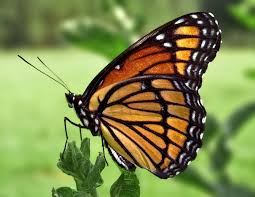


PARIS: Only aggressive efforts to rein in global warming coupled with a rethinking of the British countryside will save many native species of butterfly, according to a study published Monday.
“Widespread, drought-sensitive butterfly population extinction could occur as early as 2050,” scientists reported in the journal Nature Climate Change.
Under a business-as-usual scenario of continued greenhouse gas emissions, the odds that certain British Isles species will make it beyond mid-century are “around zero”, the study concludes.
Protecting wilderness areas – and especially reducing the fragmentation of natural habitats – would give some of these gossamer creatures at least a slim chance of survival.
Such measures combined with a 2 degrees Celsius cap on global warming would boost their odds to about 50 per cent, the researchers said.
The two-degree target, benchmarked to pre-industrial times, has been embraced by the 195-nation UN forum tasked with delivering a climate-saving pact in Paris in December.
Nowhere, perhaps, have butterflies been more intensely scrutinised over the last century than in Britain.
Scientists led by Tom Oliver of the NERC Centre of Ecology and Hydrology in Britain examined some of the resulting data from 129 sites to see how 28 species responded to a severe drought in 1995.

Karachi Port sets 138-year cargo handling record
KARACHI: Pakistan's maritime sector has achieved a major milestone as Karachi Port set a new record in its 138-year history...