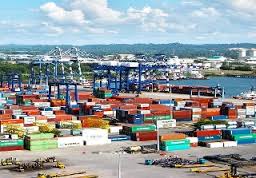

SACRAMENTO: Port recovery will also depend on future environmental policies and regulations currently under discussion in Sacramento.
The Pacific Coast Council of Custom Brokers and Freight Forwarders Association, Inc. stages its annual conference – WESCCON – at this time of year to bring shippers up to date on the latest ocean freight trends and practices. It also gives industry experts a chance to speculate on “worst case scenarios.”
John McLaurin, president of the San Francisco-based Pacific Merchant Shipping Association (PMSA) was hardly surprised to address a question that is top-of-mind in 2016: “Will West Coast Ports Recover?”
“I am assuming that the question is referring to the congestion that occurred during prolonged waterfront contract negotiations which resulted in congestion, the diversion of cargo and damaged the reputation of West Coast Ports,” he said. “The short answer based on conventional wisdom and port press releases would be a firm yes”
He noted that publications like Logistics Management have recently reported that cargo volumes that had been diverted to Gulf and East Coast ports are making their way back to the traditional West Coast gateways.
“There are multiple reasons for the return of cargo to West Coast ports ranging from congestion at East Coast ports, geography, faster transit time, cost, population and an extensive warehouse, distribution and rail service network,” he noted. “However, the cynic in me would respond to the question by asking, ‘Recover from what?’”
Unfortunately, observed McLaurin, life is not static. He said West Coast ports continue to face a number of challenges that threaten future growth and market share. These challenges include an uncertain regulatory environment – and the associated cost of compliance; waterfront contract negotiations in 2016 – at least for the ports of Los Angeles and Long Beach; continued development of competitive alternative gateways, whether found in Prince Rupert, the Panama Canal, the Suez Canal, shifting overseas manufacturing locations with accompanying changes in supply chains and ongoing concerns about reliability.
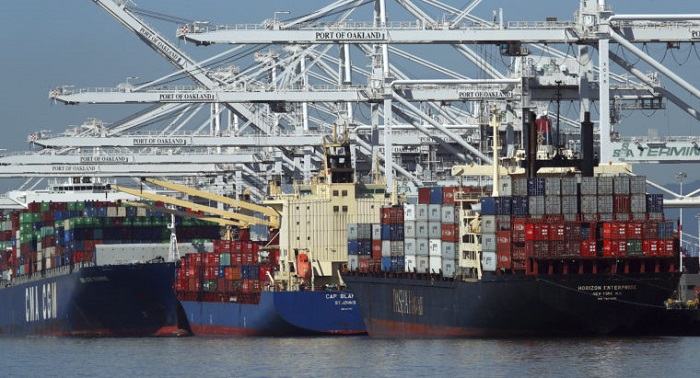
Shipping activity at Port Qasim on February 11
KARACHI: Three ships namely, Glen Canyon, Al-Salam- II and TSM Pollux carrying Containers, Gas oil and Palm oil were arranged...