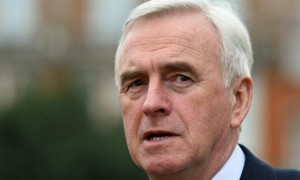
LONDON: George Osborne’s budget is handing a tax cut averaging £3,000 to some of the wealthiest people in the country who make up just 0.3% of the population, the shadow chancellor, John McDonnell, has said.
Labour is calling for the cut in capital gains tax (CGT) to be scrapped, saying it would give investors already making money about the same, on average, as the government had planned to take from disabled people under changes to benefits.


The party is planning to campaign against the CGT cuts in the coming weeks to apply more pressure on the chancellor following Iain Duncan Smith’s shock resignation as work and pensions secretary, when he branded Osborne’s budget “deeply unfair”, triggering the scrapping of the disability benefit cuts.
McDonnell said Osborne was the “bankers’ chancellor” and had been shown again to be “looking after a wealthy minority”.
A spokesman for Osborne hit back that Labour was “shameless and hypocritical”, given that CGT for the highest earners would still be two percentage points higher than it was at the end of Gordon Brown’s government.
Osborne made the surprise announcement of a cut in capital gains tax (CGT) – from 28% to 20% for higher rate taxpayers and 18% to 10% for those on the basic rate – in the budget as a way to encourage people to invest in shares. The tax is applied on profits on the sale of assets that exceed £11,100 and is paid by a very small minority of people.
There is no official impact assessment showing how many people will benefit, but government sources indicated they thought about 130,000 people would gain from the tax cut, of whom about 50,000 are basic rate taxpayers and 80,000 higher rate taxpayers. The source suggested the median benefit for higher rate taxpayers would be £2,000 on a one-off basis.
Labour’s analysis is based on past statistics that show CGT was paid by only about 200,000 taxpayers in 2013-14, who would benefit from a giveaway of more than £600m in total from the first year it fully kicks in.
According to Labour, that works out on average at about £3,000 per taxpayer, although it is likely that a large number of people would get much less than that and a small number of the richest much more. In 2013-14, about half of the overall £5bn CGT take from individuals came from just 5,000 people making profits of more than £1m.
These are the people who stand to benefit the most, by tens of thousands of pounds each, although some of them will already be paying CGT at a reduced rate of 10% because of a tax break known as entrepreneurs’ relief and therefore will not see any extra benefit. Transactions on residential property and carried interest are also exempt from the new cut.
McDonnell said: “These figures show the priorities of George Osborne. He planned to fund this £3,000 giveaway to 0.3% of the population by taking over £3,000 from hundreds of thousands of disabled people.
“When you consider the small number who benefit from this tax cut or that the pattern of taxable receipts from capital gains tax come from those who trade in financial assets, it blows apart any claim the Tories make about ‘we are all in it together’.
“This crass tax cut should not be going ahead because we need an economy that works for the many, not tax cuts for the few.”
But a spokesman for Osborne said: “The government wants to ensure that companies can access the capital they need to grow and create jobs. These changes are about incentivising individuals to invest in shares, helping British firms access the capital they need to grow and create jobs.
“For the first time, gains from residential property will be treated differently from other types of investment, attracting an 8% surcharge. The 18% and 28% rates for residential property means the government is encouraging investment in shares over property. That’s a pro-growth, pro-enterprise policy that will boost the economy at a time of global uncertainty.
“We certainly won’t take any lectures from Labour on this: at 20%, the rate of CGT paid by higher rate taxpayers on other types of gain will still be two percentage points higher than it was when they were last in power, and for residential property and carried interest will remain at least 10 percentage points higher. For Labour to complain now is shameless and hypocritical.”
In a post-budget analysis, the Resolution Foundation thinktank said the CGT cut was “focused on those on higher incomes – unsurprisingly because in general better-off households are the ones making capital gains in the first place”.
At the time of the budget, the move was welcomed by City advisers.
David Kilshaw, private client services partner at EY, said the chancellor’s cut to the headline CGT rates would be a “shot in the arm for the stock market, with investors in stocks and shares being the main winners”.
The government’s thinking appears to have been to try to make the UK’s CGT rates more internationally competitive.
Business groups who suggested there should be a review of the CGT rate include the CBI, which has warned that “difficulty in accessing long-term growth capital inhibits some of the UK’s highest potential medium-sized businesses”.
However, it was the juxtaposition of the proposed cuts to disability benefits with the cuts to CGT, corporation tax and the raising of the threshold at which people pay the higher rate of income tax that caused a threatened rebellion among Conservative MPs and led to Duncan Smith’s resignation.