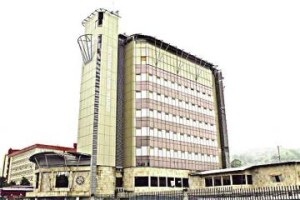
CAPE TOWN: The Central Bank of Swaziland (CBS) has again increased the bank rate by 25 basis points from 6.25 percent to 6.5 percent. Late January, CBS hiked rates by 0.5 percent as the economy continued to take a strain resulting from inflationary pressures. In a statement, CBS Governor Majozi Sithole said the decision came into effect last Friday after the bank met with the Monetary Policy Consultative Committee (MPCC) to formulate its monetary policy.
He said the underlying reason for the increase resulted from the Reserve Bank of South Africa coupled with rising inflationary pressures. Sithole said the rise in annual inflation was due to an increase of food and transport prices. Food prices increased at a rate of 10.5 percent from 6.6 percent in January 2016 and this was attributed to the increase in prices of bread, cereal, oil, fats, fruit and confectionery.


“Another notable increase came from the price of transport which rose 11.9 percent in February 2016,” he said. South Africa’s Reserve bank on Thursday raised interest rates to seven percent to mitigate accelerating pressure on the SA currency and bonds.
With inflation projected to be above the maximum target range of six percent for the better part of 2016 due to the prevailing drought, Sithole said the bank would continue to monitor the developments that would influence the movement of inflation and will not hesitate to respond appropriately to curb needless loss of value of the local currency and sensitivity to the domestic economic growth and employment prospects.
“The bank reassures that price stability remains supportive of economic growth and employment remains its major concern,” he said. Meanwhile, the governor said as of March 11, 2016, the country’s gross official reserves were recorded at E8.5 billion, down from the E9.65 billion recorded in January.
This means that in percentage the country’s reserves declined by almost 12 percent between January and March 2016. “The gross official reserves were enough to cover 3.8 months of estimated imports of goods and services, above the internationally acceptable minimum of three months,” said the governor.
He said the contraction in reserves was mainly a result of payment of government’s obligations. Sithole said credit extended to private sector increased slightly from 5.1 percent in December 2015 to 7.6 percent in January 2016. Despite the January interest rate increase which was aimed at bringing stability to the rand which is pegged one-on-one with the local currency, lilangeni, that hasn’t protected the rand from fluctuating.
Just last week it slipped again by about seven percent amid a mounting political storm over a controversial business family’s ties to President Jacob Zuma. Due to the ongoing political squabbles in South Africa experts said the country might be downgraded to a junk economy status and this could push the rand far lower compared to the dollar.