
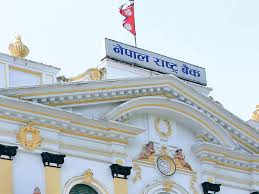
KATHMANDU: Nepal Rastra Bank (NRB), the central monetary authority, is mulling over introducing the highly touted interest rate corridor within August 16 to formally deal with the problem of frequent fluctuations in interest rates. NRB is making the move in line with the announcement made through the monetary policy of this fiscal year as a measure to keep interest rates within a band and reduce interest rate volatility.
“We have laid the groundwork to introduce the corridor within mid-August. We now need the governor to sign a few memos that explain when and how operations to mop up or inject liquidity would be conducted. Once that is done we’ll launch the corridor,” Min Bahadur Shrestha, executive director at NRB’s Public Debt Management Department, which oversees open market operations, told The Himalayan Times. The interest rate corridor, or IRC, will basically try to ensure that excess liquidity in the banking system does not exceed around Rs 20 billion. But if there is shortage of cash, interventions will be made to inject liquidity.


This mechanism of keeping a stern eye on liquidity situation, the central bank hopes, will prevent interest rates from suddenly hitting rock bottom or going through the roof. This will ultimately lift deposit rates, benefiting depositors who complain about losing money by parking savings in banks due to negative real interest rate, and stabilise lending rates, giving some respite to borrowers, who gripe about sudden hikes. To ensure interest rate stability, NRB will basically make use of three different rates.
First is the standing liquidity facility (SLF) rate or the rate at which NRB provides loans to banks and financial institutions (BFIs) for a maximum of five days in case there is severe shortage of cash. Second is the two-week repurchase (repo) rate, which will also function as policy rate. This is the rate at which NRB provides loans to BFIs for two weeks in case of liquidity crunch in banking system. Third is the two-week term deposit rate, or the rate at which NRB borrows money from BFIs for a period of two weeks in case of excess liquidity in the banking system.
These three rates make up the IRC. Simply put, SLF rate will form the upper bound, or ceiling, of the corridor. Two-week repo rate will move in the middle of the corridor. And two-week term deposit rate will form the lower bound, or floor, of the corridor. “In an ideal condition, the difference between the ceiling and floor rates should not exceed one per cent,” said Shrestha. This means: if SLF rate is, say, six per cent, then two-week term deposit rate should hover around five per cent, while two-week repo rate should stand at 5.5 per cent.
But that is not going to happen when the IRC is launched here, because of low interbank rate of commercial banks, which determines two-week repo and two-week term deposit rates. Weighted average interbank rate of commercial banks has remained suppressed for a long time because of excess liquidity in the banking system — a result of a lethal combination of rise in flow of money sent by Nepalis working abroad and lower demand for loans from private sector coupled with inadequate supply of instruments to mop up excess liquidity.



