BEIJING: China’s economy grew 6.7 per cent in the second quarter, unchanged from the previous three-month period, as a buoyant property market and government stimulus boosted demand for factory output. The latest quarterly real growth figure is slightly ahead of the 6.6 per cent pace that economists expected, according to a Reuters poll. China’s legislature approved a full-year growth target of 6.5 to 7 per cent for 2016. China’s economy grew 6.9 per cent in 2015.
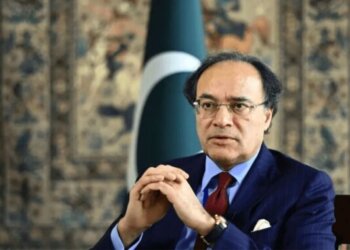
Yet downward pressure on the economy remains significant. Fixed-asset investment — which includes both infrastructure and manufacturing investment — grew at 9 per cent, its slowest pace since 2000 in the first six months and down from 9.6 per cent in the year to May. “Growth has stabilised, and we also see that the structure is improving. Investment growth is coming down, which is a correction for the over-investment of the past seven years,” said Zhu Haibin, chief China economist at JPMorgan in Hong Kong. “But investment growth is much stronger in new sectors such as high tech and infrastructure. In the overcapacity sectors like steel and coal mining, we see negative growth.”

China’s economy is in the midst of a wrenching transition from a growth model based on construction and heavy industry towards greater reliance on consumption and services. In a sign of progress towards rebalancing, investment contributed only 2.5 percentage points to GDP growth in the first half, down from 2.9 points last year, while the consumption contribution rose from 4.2 points to 4.9 points. Net exports subtracted 0.7 points.
Monthly data also showed good news for consumption. Retail sales grew 10.6 per cent in June from a year earlier, the fastest pace since December and ahead of expectations of 10 per cent. The figures will help allay concerns the investment slowdown will spread to consumption through declining growth in household income.