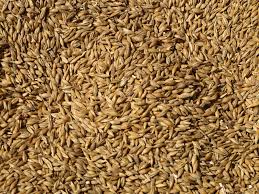
BEIJING: China’s imports of distillers’ dried grains, a protein-rich feed ingredient, surged in January to 290,653 tonnes, or more than four times the volumes in the same month a year ago, according to General Administration of Customs data published on Monday.
But January imports were down 30 percent from December’s 419,896 tonnes after traders slowed their purchases on worries over a probe into the U.S. shipments.


China, the world’s top buyer of the by-product of corn ethanol, buys almost all of its distillers’ dried grains (DDGS) imports from the United States as a substitute for expensive domestic corn in animal feeds. The United States is the world’s largest exporter of DDGS.
“Companies are still buying to benefit from low U.S. prices and shipment arrival before May should be safe,” said one trader with a major Chinese buyer.
The January shipment was valued at an average $235.4 per tonne, down from about $305 per tonne for imports in July last year, when the country imported a record 1.1 million tonnes of DDGS, customs data showed.
Last month’s imports showed a big gain over January 2015 partly because trade was interrupted a year ago due to findings of traces of an unapproved genetically-modified corn strain.
Traders expect DDGS imports to stay at current low levels. Government authorities have also been slow in issuing import permits for barley and sorghum, which could slow down imports of those grains as well.
China imported a record volume of corn substitutes, including DDGS and sorghum in 2015 to use in the place of domestic corn, which is priced about 50 percent higher than the imports due to Beijing’s stockpile policy.
In January, China imported 58.8 percent less barley from the same month a year ago at 362,334 tonnes. China’s corn imports fell 98 percent to 7,986 tonnes.
But sorghum imports stayed high, with China importing 923,941 tonnes of the grain, all from the United States, up from 733,590 tonnes in January 2015, according to customs data published by Shanghai JC Intelligence Co. Ltd.
China is preparing to sell some of its aged corn stocks to processors at a discounted price this month, and more state corn sales are expected to help reduce the country’s record high level of reserves of the grain, and that could dent domestic demand for imports.