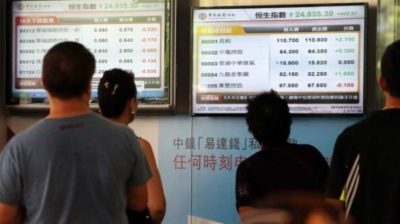
SHANGHAI: China stocks sagged on Tuesday morning, hurt by weak factory activity and upcoming new listings despite the International Monetary Fund’s decision to grant the yuan global reserve currency status.
But shares in Hong Kong rebounded sharply, highlighting the difference in the two markets’ investor base.
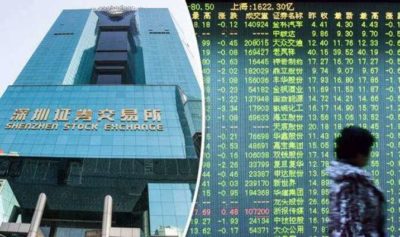

The CSI300 index fell 0.4 percent, to 3,550.75 points at the end of the morning session, while the Shanghai Composite Index lost 0.5 percent, to 3,430.06 points.
In Hong Kong, the Hang Seng index added 1.7 percent, to 22,359.02 points, while the Hong Kong China Enterprises Index gained 2.0 percent, to 9,986.26.
Traders said that the IMF’s decision to add the Chinese currency to its Special Drawing Rights (SDR) basket was long expected, and its impact to the mainland’s stock market was neutral.
“Theoretically, the move would make yuan assets more attractive to global investors over the long term,” said Samuel Chien, partner of hedge fund manager Shanghai Boom Trend Investment Management Co.
“But on the other hand, there’s also high expectation of further yuan depreciation as Beijing needs a weaker currency to support its struggling manufacturing sector.”
An official survey showed on Tuesday that activity in the manufacturing sector contracted for a fourth straight month to a three-year low, adding to signs of persistent economic weakness despite a flurry of stimulus moves.
The market was also under pressure from a batch of initial public offerings as eight companies start IPO subscriptions on Tuesday.