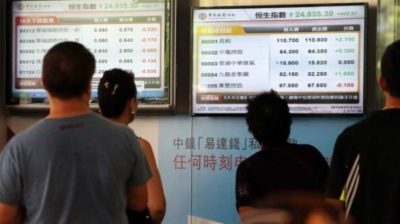
BEIJING: China’s stocks fell amid concern the government’s efforts to make domestic consumption and services a bigger part of the economy won’t be fast enough to offset sluggish demand for industrial goods and commodities.
The Shanghai Composite Index declined 0.5 percent to 3,455.50 at the close, erasing a gain of as much as 0.9 percent. Industrial and material companies posted the steepest losses among sectors, with Metallurgical Corp. of China and China Minmetals Rare Earth Co. sliding more than 4 percent. Data this week showed China’s factory-gate prices dropping for the 45th straight month.
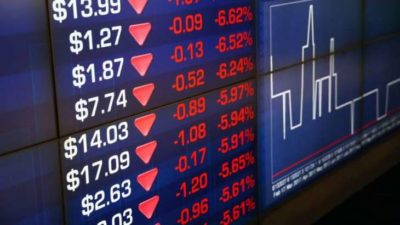
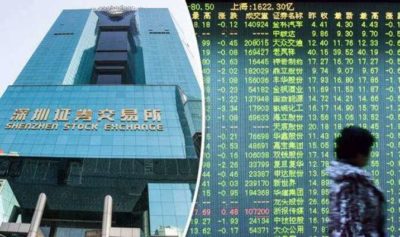
President Xi Jinping’s government is trying to boost the role of privately owned technology and service businesses, while downsizing state-run industrial and financial giants. As stabilizing inflation and a moderation in import declines point to strength in consumer spending, such growth isn’t quick enough to offset the declines in the nation’s old drivers of manufacturing, exports and construction.
“The economic transformation is on track but it is going to require time and things such as the SOE reform are likely to require substantial effort,” said Gerry Alfonso, a Shanghai-based trader at Shenwan Hongyuan Group Co. “It will happen but it won’t happen overnight. Investors are looking into sectors that are likely to do well in the short to mid-term and a significant amount of those stocks are in the new economy space.”
The CSI 300 Index dropped 0.4 percent. The Hang Seng China Enterprises index fell for a sixth day, losing 1.1 percent, while the Hang Seng Index slipped 0.5 percent. Turnover plunged to the lowest level in a month in Shanghai on Wednesday, while trading volumes were 35 percent below the 30-day average on Thursday.