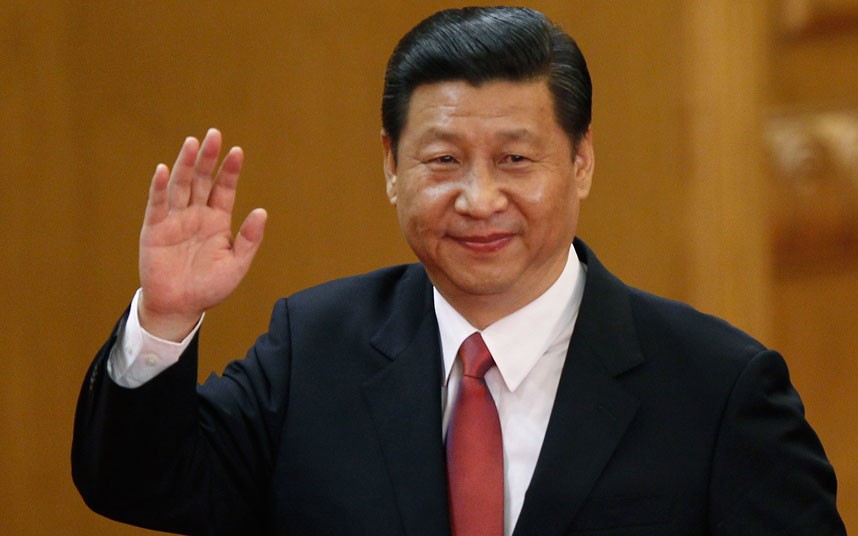
During his coming visit to Pakistan, Chinese President Xi Jinping is expected to launch various development and infrastructure projects in the country worth $46 billion aimed at generating economic opportunities as well as consolidating links with its old ally. The projects will give a boost to the firms hit by slack growth at home. The Pakistani government is also discussing a plan to buy eight Chinese submarines. According to the media reports, a deal worth $5 billion would be signed during the visit. The commercial and defence relations between the two countries are being improved as the two countries share a remote border and long-standing mistrust of their neighbour, India and Western countries. According to Mushahid Hussain Sayed, a former federal minister and defense analyst, China treats Pakistan as an important ally and friend on equal level. The two countries often boast of being iron brothers and two-way trade is growing up to $10 billion last year from $4 billion in 2007. According to experts, the Chinese president’s visit would focus on a Pakistan-China Economic Corridor, a planned $46-billion network of roads, railways and energy projects linking Pakistan’s deepwater Gwadar Port on the Arabian Sea with China’s far-western the Xinjiang province.
The proposed economic corridor will shorten the route for China’s energy imports, bypassing the Straits of Malacca between Malaysia and Indonesia, a bottleneck at risk of blockade during wartime. Pakistan-Iran gas pipeline project can also be extended to the Xinjiang province, improving the energy supply and cutting cost and distance to nearly quarter of the present route. Along with a gas pipeline project, an oil pipeline can also be built to ensure incessant supply of fuel to far-flung areas of the Chinese territory. Experts believe if the two countries sign submarine deal, China is likely to offer Pakistan concessions on building a refueling and mechanical station in Gwadar.


Pakistan has great chances to tap the country’s resources with the Chinese help and close economic cooperation between the two countries will not only usher in an era of development in both the countries, but also in the region. The economic corridor is a cheap way to develop Balochistan where disgruntled elements have waged a war against the state. The corridor will also help cut foreign interference in Balochistan.
Meanwhile, China has also promised to invest nearly $34 billion in energy projects and $12 billion in infrastructure projects. A close cooperation with Pakistan will also subside militancy in Xinjiang province of China and stability in the region will push for a more stable government in Afghanistan.