Customs Today
  • Home
  • Islamabad
  • Karachi
  • Lahore
  • National
  • Transfers and Postings
  • Chambers & Associations
  • Business
No Result
View All Result
Customs Today
  • Home
  • Islamabad
  • Karachi
  • Lahore
  • National
  • Transfers and Postings
  • Chambers & Associations
  • Business
No Result
View All Result
Customs Today
No Result
View All Result
Home International Customs South Africa

Concern over companies netting zero-rating tax benefits

byadmin
18/08/2018
in South Africa
Share on FacebookShare on Twitter

There is some concern from the state-appointed panel reviewing whether to increase the basket of zero-rated VAT items about producers netting the benefit from more items being added, according to panel member Professor Imraan Valodia.

In the report released by Treasury on August 10, the panel had recommended that five additional items be added to the list of zero-rated products – white bread, bread and cake flour, sanitary products, school uniforms and nappies.


You might also like

lamic banking assets reach Rs14.47 trillion, sector share rises to 23%

07/03/2026
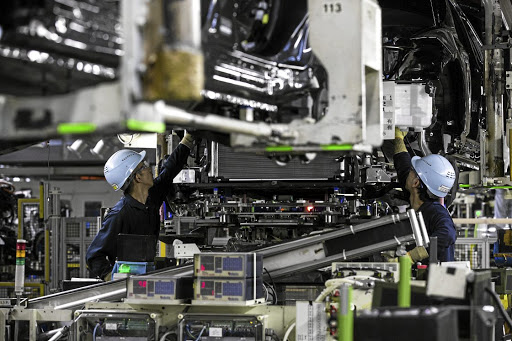
Toyota Motor Corp. employees work on the Crown vehicle production line at the company's Motomachi plant in Toyota City, Aichi, Japan, on Thursday, July 26, 2018. Toyota may stop importing some models into the U.S. if President Donald Trump raises vehicle tariffs, while other cars and trucks in showrooms will get more expensive, according to the automaker’s North American chief. Photographer: Shiho Fukada/Bloomberg

Toyota SA to invest over R4 billion in car assembly and parts

05/02/2020

The panel was appointed by Finance Minister Nhlanhla Nene in April to investigate whether more items should be zero-rated, to help mitigate the impact of the rise in the VAT rate on poor families.

Valodia believes government will need to monitor the prices of any additional items that become zero-rated to ensure the benefit is passed along to consumers, he told Fin24 in an interview this week.

One of the reasons the panel recommended against bone–in chicken pieces becoming zero-rated is because of the concentration of producers in this sector.

The South African Poultry Association says it will continue to campaign for chicken to be exempt from VAT, which was raised to 15% from April 1.

Pass it along

“One thing you can do with tax, if you’re in a powerful position [and] someone imposes a tax on you – through your power, you can pass the incidence of tax along to someone else,” Valodia warned.

Valodia, who is also the dean of the Faculty of Commerce, Law and Management at Wits University, told Fin24 that zero-rating chicken would have cost Treasury approximately R4bn, while the total target for raising the VAT rate in 2018/2019 is to net R22bn.

The five additional items proposed are projected to cost the fiscus R4bn, with the majority of the relief, 2.8bn, going to lower-income households.

Valodia, who worked on tax projects previously at UKZN, said that “playing with taxes” results in changes in economic behaviour.

He gave the example of upmarket retailers freezing and cutting fresh chickens in order to benefit from the zero-rating if VAT were removed on this food item.

According to the panel’s report, the price of brown bread should have been 12.3% lower than brown bread, as it’s been zero-rated for 17 years. However, the prices varied.

The Woolard Panel explained that due to the tight deadline to hand over their findings, they had insufficient time to research the market structure issues that explain VAT relief pass-through.

Related Stories

lamic banking assets reach Rs14.47 trillion, sector share rises to 23%

byCT Report
07/03/2026

KARACHI: Pakistan’s Islamic banking sector expanded during 2025, increasing its share in the country’s financial system with assets reaching nearly...

Toyota Motor Corp. employees work on the Crown vehicle production line at the company's Motomachi plant in Toyota City, Aichi, Japan, on Thursday, July 26, 2018. Toyota may stop importing some models into the U.S. if President Donald Trump raises vehicle tariffs, while other cars and trucks in showrooms will get more expensive, according to the automaker’s North American chief. Photographer: Shiho Fukada/Bloomberg

Toyota SA to invest over R4 billion in car assembly and parts

byadmin
05/02/2020

Toyota SA Motors (TSAM) has announced a R4.28bn investment in local vehicle assembly and parts supply. Speaking at the company’s...

Toyota Motor Corp. employees work on the Crown vehicle production line at the company's Motomachi plant in Toyota City, Aichi, Japan, on Thursday, July 26, 2018. Toyota may stop importing some models into the U.S. if President Donald Trump raises vehicle tariffs, while other cars and trucks in showrooms will get more expensive, according to the automaker’s North American chief. Photographer: Shiho Fukada/Bloomberg

Toyota SA to invest over R4 billion in car assembly and parts

byadmin
03/02/2020

Toyota SA Motors (TSAM) has announced a R4.28bn investment in local vehicle assembly and parts supply. Speaking at the company’s...

Massmart warns of almost R1.4bn loss as SA consumers struggle

byadmin
30/01/2020

Walmart-owned retailer Massmart, whose brands include Makro and Game, warned on Thursday it had swung into a loss in its...

Next Post

Alibaba Initiates $3Bln Partnership With Thai Gov In Support Of Thailand 4.0

  • Terms and Conditions
  • Disclaimer

© 2011 Customs Today -World's first newspaper on customs. Customs Today.

No Result
View All Result
  • Transfers and Postings
  • Latest News
  • Karachi
  • Islamabad
  • Lahore
  • National
  • Chambers & Associations
  • Business
  • About Us

© 2011 Customs Today -World's first newspaper on customs. Customs Today.