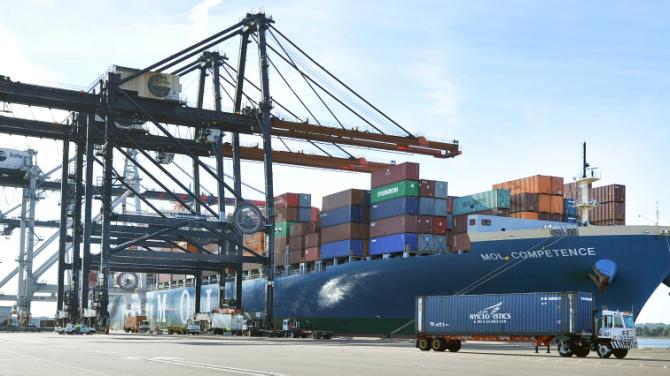

DENMARK: BIMCO is the latest container shipping industry association to paint a gloomy picture of low demand on normally high-volume trades, being exacerbated by a record influx of newbuild tonnage.
“As volumes drop and new ships are introduced on a weekly basis, it is even more difficult to strike the balance that will see freight rate improvements,” said BIMCO, citing the lack of European demand as a particular “concern”.
Looking beyond the Shanghai Containerized Freight Index (SCFI), which records average spot rates only from Shanghai to North Europe, BIMCO analysed the China Containerized Freight Index (CCFI) to gleam a “fuller picture of how container rates are faring out of China”.
The CCFI, also produced by the Shanghai Shipping Exchange, collects data from 10 major Chinese ports and includes long-term contract rates in addition to spot rates, thus providing a more balanced barometer of the health of a tradelane.
In an analysis of the CCFI over the past two years, BIMCO suggests a bleak picture. For example, looking at European component of the CCFI, the index value at January 2015 was just under $1,100 per teu, but by September this had plummeted to around $800. This adds to the difficulty for carriers in the forthcoming round of contract negotiations with shippers.
Meanwhile, on Friday the SCFI for North Europe hit a 15-week low of $259 per teu – barely enough to cover the fuel cost on the voyage, let alone other vessel operating costs. However, ocean carriers are notoriously reluctant to discuss the ratio of spot to contract cargo they carry, traditionally regarding the former as a top-up ‘necessary evil’ when contract demand is soft.
Even in the most detailed and transparent of carriers’ financial reports, the amount of ‘non-contract’ cargo carried is a closely guarded secret confined to the boardroom.
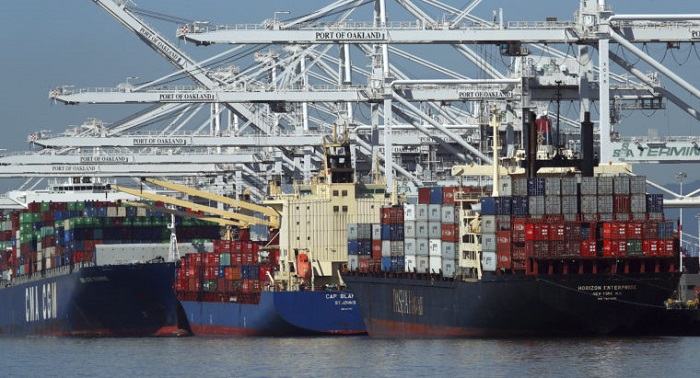
Shipping activity at Port Qasim on February 11
KARACHI: Three ships namely, Glen Canyon, Al-Salam- II and TSM Pollux carrying Containers, Gas oil and Palm oil were arranged...