CANBERRA: An inquiry into attempts to thwart that growth of container traffic at the port of Newcastle has led to two extraordinary bombshells exploding in Australia politics.
The first came when the Minister of Roads, Maritime and Freight for New South Wales, Duncan Gay, confirmed the existence of secret “cross payments” to compensate the owners of rival ports Botany and Kembla, if Newcastle’s container volumes pass an agreed limit.

Documents had been leaked, pointing to such a deal, and questioning in Parliament forced the Minister to confirm its existence.
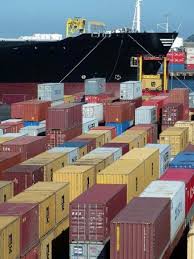
The threshold to trigger cross-payments is 30,000 containers a year plus an extra 6% growth in volume each year. Current throughput is 9,000 containers and the Opposition has charged the NSW Government with pursuing a port privatisation policy that will restrict Newcastle’s economic development.
This was followed by an even greater political furore when the Independent Commission Against Corruption reported that developers and politicians connived to destroy Newcastle’s box terminal plans, with a State Minister acting corruptly.
The “Operation Spicer” inquiry revealed that in the period 2009-11, the Buildev group of companies opposed the plans of the-then Newcastle Port Corporation to build a container terminal. Instead, it wanted to build a coal terminal and sought the help of politicians Joe Tripodi and Eric Roozendaal, both former ports ministers.
The port had two land lots – ‘Mayfield’ comprising 90 hectares with river access and landloacked ‘Intertrade’ of 65 hectares. Buildev became the developer of Intertrade.
Newcastle Port Corp decided Mayfield should not be developed as a coal terminal but be developed as a container terminal, with the preferred developer a consortium including Anglo Ports. However, Buildev influenced the politicians to scupper the box port plans and to preserve the viability of its coal terminal proposal by creating an “easement” connecting across the Mayfield site, allowing its land-locked development to gain access to the river. Such an easement would have seriously eroded the value of the Mayfield site.
The Commission found that Mr Tripodi was hoping to secure “some kind of future benefit” from Buildev, as his political career ground down, and used his position to influence Mr Roozendaal to prevent the container terminal deal being advanced.
Mr Roozendaal subsequently approved the box terminal negotiations – but subject to the condition that an easement be granted in favour of the Intertrade site. The inquiry concluded that Mr Tripodi’s conduct merits criminal punishment.