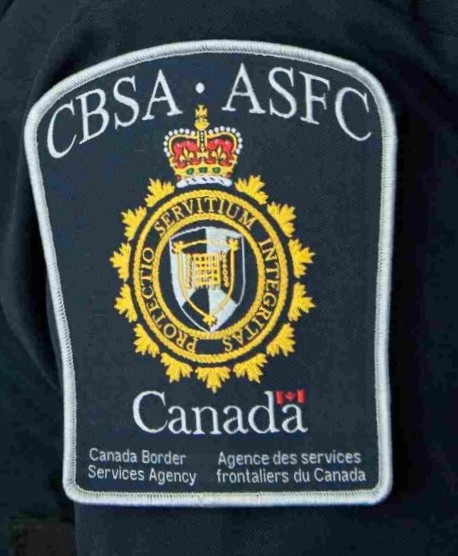
TORONTO: The combating counterfeit products Act came into force in January 2015, to enabling rights holders to record their copyrights and registered trademark rights with the Canada border services agency (CBSA) in an effort to stop counterfeit goods before they enter the Canadian market.
Amendments to the Trademarks Act, which stem from the Combating Counterfeit Products Act, create a new statutory prohibition against the import or export of goods whose labels or packaging bear, without the consent of the owner of a registered trademark for such goods, a trademark that is identical to, or that cannot be distinguished in its essential aspects from, that registered trademark. Similar amendments to the Copyright Act create a statutory prohibition against importing or exporting infringing copies of a work.
You might also like


CBSA has adopted a new border regime to assist rights holders in enforcing the new statutory prohibition against the import of counterfeit goods. Under the new regime, owners of copyright protected works (registered or unregistered) and/or a registered Canadian trademark can record these rights with CBSA by filing a request for assistance.
If suspected counterfeit goods are discovered during examination at the border, CBSA can use the information contained in the request for assistance to contact the appropriate rights holders and inform them of details regarding the goods. Such details may include a sample of the goods, the name and address of their owner, importer, exporter or consignee, the quantity of goods, the country in which they were made and the date on which they were imported into Canada. With this information, the rights holder can make a determination as to whether the goods are counterfeit and whether to pursue civil remedies in relation to the goods. The information provided under the request for assistance regime may be used by the rights holder only to pursue remedies under the Copyright Act and/or the Trademarks Act. Notably, specific allowance is made for the use of the information for the purpose of reaching an out-of-court settlement.
Goods detained pursuant to a request for assistance will remain in detention for 10 days (five days for perishable goods), and the rights holder can request that the goods be held for an additional 10 days. If the rights holder initiates court proceedings in relation to the goods and provides CBSA with notice of such proceedings, the goods will remain in detention until the proceedings are disposed of, the court orders the release of the goods or the rights holder consents to the release of the goods.