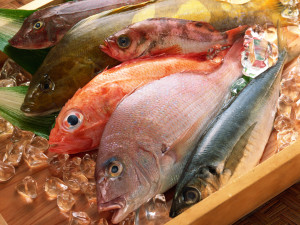


CANADA: Warming ocean temperatures and subsequent southward migration of species are likely to bring significant change to the marine environment on our doorstep.
Whether that migration would see an increase in the number of stingers including the deadly box jellyfish inhabiting our coastal waters cannot yet be determined.
New research by the University of Queensland and the University of the Sunshine Coast, to be published in the journal Nature Climate Change on September 1, has found that profound changes are likely in the global distribution of marine species unless immediate steps are taken to limit the impact of climate change.
The report, Climate Velocity and The Future Global Redistribution of Marine Biodiversity, found that it wasn’t too late to act to avoid widespread, climate-driven extinction of species.
USC Associate Professor Dave Schoeman said yesterday impacts could still be mitigated by significant immediate steps to cut carbon emissions, to increase investment in renewables and to divest from fossil fuel industries to avoid some of the worst consequences.
Failure to do so would lead to an unknown future composition of the ocean.

Karachi Port sets 138-year cargo handling record
KARACHI: Pakistan's maritime sector has achieved a major milestone as Karachi Port set a new record in its 138-year history...