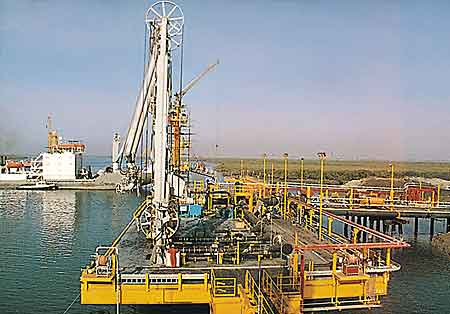
NEW YORK: The $506 million sale of the Port of Darwin to a privately owned Chinese industrial conglomerate called Landbridge Group stands very public testimony to the political courage of the Northern Territory’s bold Chief Minister, Adam Giles.
Australian ports have generally been acquired by fairly orthodox infrastructure investors. You know the beasts we are talking about. Funds managers of renown like Brookfield, Macquarie and Hastings tend to move around the globe hunting defensive assets like ports that boast transparent, predictable income streams, that eat up relatively low levels of sustaining or growth capital, and that generate consistently strong fee flow for their managers.
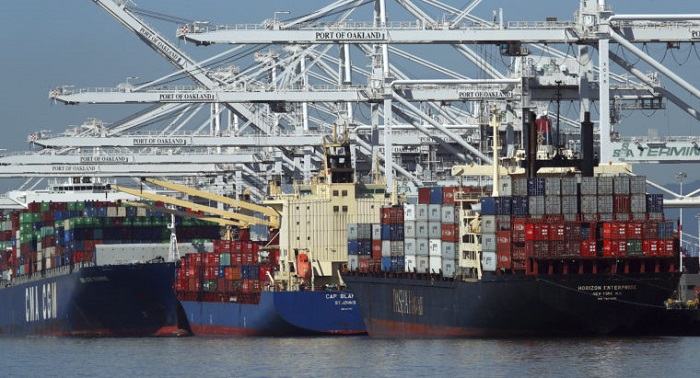

Occasionally these guys come shopping on their own, but often they arrive in investment syndicates like those that won the three ports sold in the NSW privatisation process.
But the Port of Darwin is as different from the national pack of ports as Landbridge is from more familiar infrastructure investors.
Darwin’s port is a work just starting its progress. Darwin is often represented as Australia’s gateway to Asia. Giles has invited Landbridge to start making reality of what has too long been little more than a marketing pitch.
Through an 18-months process, punctuated by a parliamentary review that ended with cleverly managed limitations of the level of foreign ownership of the port, Giles has insisted that Darwin needed something more than the now traditional privatisation model. Giles got what he wanted.
At 25 times earnings, Landbridge has paid a full price by the standards of recent Australian port sales. But it has also committed to invest $200 million on growth over the next 25 years, with $35 million of that to be spent before 2020.
The Landbridge pitch is that Darwin can be conduit for the inevitable growth in two-way trade between Australia and its region generally and China particularly. A distinctly Chinese optimism sits at the heart of this deal. Giles likes Landbridge because it will invest in capacity ahead of the demand curve. The port’s new owner arrived at the table talking up the potential of cattle, minerals and petroleum exports with tourism offering in inbound potential. One of the first things it plans to do is expand the port’s capacity to ship refrigerated containers.