DUBAI: Set for completion by 2020, the new Doha port will propel the shipping sector forward, double GDP, and consolidate Qatar’s emergence as the world’s largest producer of liquefied natural gas.
Strategically located at the center of the thriving Gulf Cooperation Council (GCC) countries, Qatar’s maritime shipping industry has undergone tremendous transformational changes and has begun to take off. Back in 2010, the government launched an ambitious six-stage plan to develop a completely new and modern port on the coast near the capital of Doha.
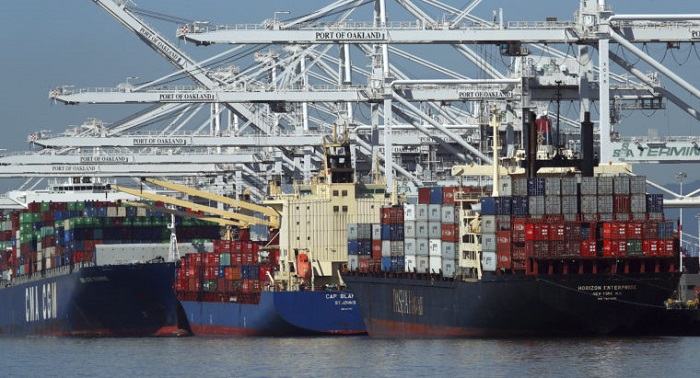

With a combined population of over 47 million and annual economic output topping $1.6 trillion (£1 trillion), the six GCC countries Bahrain, Kuwait, Oman, Qatar, Saudi Arabia and the United Arab Emirates, comprise a powerful block of open and integrated economies at a vital crossroads of the global economy, between Asia, Europe, Africa and the Americas. In terms of global trade, in particular maritime shipping, the Middle East offers lucrative opportunities for companies that are able to take advantage of the region’s emergence as a global logistics hub. In 2014, Qatar, UAE, Oman, Jordan, Saudi Arabia and Kuwait ranked highest out of 45 emerging markets countries in the key category of “market compatibility,” highlighted by an ease of doing business.
As the region has emerged as an increasingly vital point in global shipping and trade, Doha has set itself apart from other logistical hubs such as Dubai by investing heavily in efficient modern infrastructure. Qatar’s maritime ports are undergoing significant expansion. National project spending is expected to top $100 billion across infrastructure, real estate and other energy and non-energy sectors over the next decade, according to research from the Investment Bank of Qatar.
The new port project alone accounts for $7.5 billion of that spending. Originally targeted for completion in 2030, organizers have sped up the timeline and provided the resources to cut 10 years off of the construction timeline, completing all six phases of the project within the next five years.