LONDON: Britain’s sugar tax will start to take shape on Monday as the Treasury publishes draft legislation, while drinks companies have already accelerated plans to reduce sugar and sell more low-calorie products in response.
The sugar tax is due to come into force in April 2018 and Monday’s draft should confirm a levy of 18p a litre on soft drinks with more than 5 grams of sugar per 100ml, and a second, higher band of 24p on those with more than 8g per 100ml.

Drinks with less than 5g of sugar will be exempt. The government expects to raise £520m in the first year.
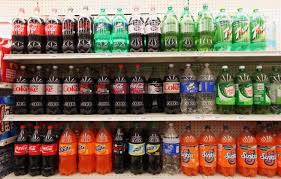
In response, Coca-Cola and Lucozade Ribena Suntory have moved to minimise their exposure. As the UK’s biggest-selling grocery brand — with sales last year of £1.1bn — Coca-Cola is the most exposed to the tax which the government says is needed to fight childhood obesity.
When the levy was announced in the March Budget, it was nicknamed a “Coke tax” within the industry. Coca-Cola’s portfolio, which includes Fanta, Schweppes tonic water and Sprite, would potentially pay 52 per cent of the £374m for which the biggest five brands would be liable, according to Euromonitor, the market research group. This is mainly owing to sales of regular Coca-Cola, which contains 35g of sugar in a 330ml can and exceeds the government’s daily recommendation for added sugar.
Coca-Cola has no plans to change the recipe of its classic drink but Coca-Cola European Partners (CCEP), which sells the brand in the UK, has invested more than £10m this year in reformulating and promoting Coca-Cola Zero Sugar — its biggest UK launch in a decade.
It now expects more than half the Coca-Cola sold to escape the tax, instead of 45 per cent previously. This would make the UK the first country in which more than half of Coca-Cola contained little or no sugar and would be achieved two years earlier than anticipated.
“We believe our 2020 goal of half of Coca-Cola sold as low or no-sugar, will be achieved by April 2018, making the UK the first country in the world to reach that milestone,” CCEP said.
The impending tax has also hastened similar plans by Lucozade Ribena Suntory. The Japan-owned group said this month it would halve the sugar in its products — replacing them with artificial sweeteners — in order to escape the tax altogether.
Britvic, PepsiCo’s UK bottler, has been heavily promoting zero-calorie Pepsi Max cherry while AG Barr is slashing sugar with the aim that only 33 per cent of its drinks, which include Scottish favourite Irn-Bru, attracts the tax, instead of 60 per cent.