BERLIN: German Federal Labor Agency (BA) on Wednesday, about 2.55 million people were registered as jobless, which was 216,000 fewer than in the same month a year ago. BA chief Detlef Scheele said that “good labor market developments” had continued in February, with companies increasing their permanent job offers and continuing to look for additional staff. In its wake, a consumer sentiment survey by the GfK institute showed on Wednesday that the cheerful mood among shoppers darkened slightly heading into March, suggesting political concerns could be weighing on household spending.
GfK’s consumer sentiment indicator, which is based on a survey of around 2,000 Germans, slipped to 10.8 points going into March from 11.0 in February, which was the highest level since 2001. GfK researcher Rolf Buerkl pointed to the political uncertainty since last year’s inconclusive federal election as a factor behind the drop in all three components of the indicator.
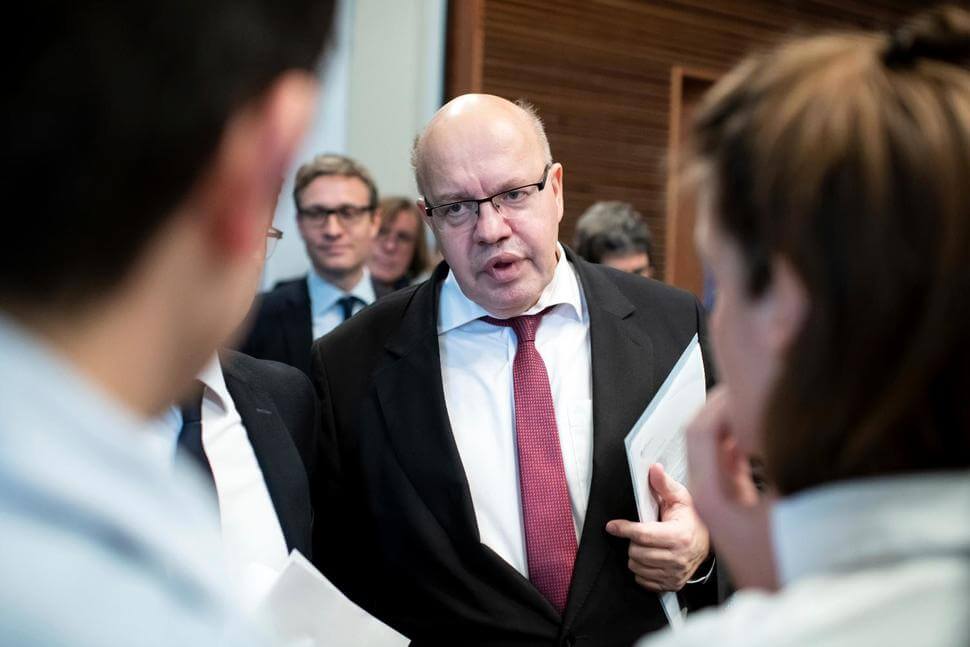
“The political turbulence surrounding the formation of a stable, viable government in Berlin may have unsettled consumers,” Buerkl said, adding however that consumer optimism among Germans “remains high.”
And indeed, despite the sentiment setbacks and rising concern about an overheating of the German economy, all estimates predict the country’s gross domestic product (GDP) to expand by at least 2.7 percent this year, which would be the strongest pace since 2011.