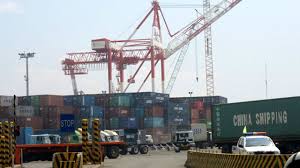

CAIRO: Egypt has sharply raised customs duties on more than 300 goods to encourage domestic production and curb a ballooning trade deficit, prompting fears consumers already struggling with double-digit inflation will face further price increases.
The increases, which saw many tariffs jump to 60 percent, are the second to be imposed this year in Egypt, which relies heavily on imports of everything from wheat to luxury cars.


They follow a slew of other measures including a currency flotation, increases in fuel and power prices and a new value-added tax. All are likely to fuel inflation, which was near 14 percent in October.
The finance ministry said the tariff increases on 320 categories of goods targeted manufactured products that are also made locally, such as carpets, ceramics and cosmetics. Duties were also raised on goods deemed non-essential, ranging from some types of fresh fruit to shampoo and toothbrushes.
Duties on cosmetics, dairy products, air conditioners, fans, refrigerators, microwave ovens, electric shavers, perfumes and a host other goods were increased to 60 percent from 40 percent.
“The amendments … aim to create the necessary climate to attract investment … and give a strong boost toward increasing productivity, which is the basis of economic growth, as well as cutting imports, which … have widened the trade deficit to over $49 billion,” the finance ministry statement said.
Egypt has faced a shortage of hard currency since a 2011 uprising ushered in a period of political instability that drove away tourists and foreign investors. It drained its foreign reserves defending a fixed exchange rate until last month, when the central bank abandoned its peg of 8.8 against the dollar.
Importers criticised the increases, saying Egyptian suppliers did not produce enough of any of the goods included. The move was likely to boost local monopolies rather than encouraging competition, they said.
“We cannot bear the increased prices. The dollar has already increased costs by 110 percent and then we put another 60 percent on at customs? People who don’t have money, where will they buy?” said Ahmed Shiha, head of the importers division at the Cairo Chamber of Commerce.
“We do not have a single factory that makes a bottle of perfume … So how are we protecting Egyptian industries?”
The ministry said the increases, which came into effect at the start of December, were in compliance with World Trade Organisation standards and do not apply to countries or blocs with which Egypt has free-trade agreements.
They would increase customs revenues by 6 billion pounds ($339 million) a year, if the volume of imports remains the same, it said.
Analysts said discouraging imports could help ease pressure on the pound, protect some industries and raise revenue in a country with a gaping budget deficit.
“I understand the frustration. Every thing is getting more expensive and you are throwing this on top of it,” said Timothy Kaldas, non-resident fellow at the Tahrir Institute for Middle East Policy. “But they are trying to create incentives for local investment while protecting local industries and simultaneously cutting pressure on the pound.”
But the duties raised the ire of Egyptians, who bemoaned the expected rise in prices and mocked on social media the goods deemed non-essential.
“Showers and toothpaste are considered provocative goods, so being clean and smelling good in this country is considered an excessive luxury,” tweeted one Egyptian.