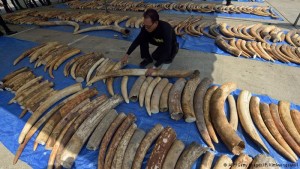
NEW YORK: A new study shows that scientists can now match DNA from elephant dung to DNA extracted from ivory to track down the source of large, illegal shipments of tusks and trinkets across borders.
Researchers now hope that this method will lead to a crackdown on wildlife crime in two main hotspots in Africa where the vast majority of the killings take place. The illegal trade fuels the killing of some 50,000 African elephants each year and results in 40-50 tons of seized ivory.
You might also like


Investigators who collected DNA from the tusks of slain elephants and painstakingly looked for matches on the vast African continent have identified two large areas where the slaughter has been occurring on an industrial scale, according to a study published on Thursday.
Samuel Wasser, the author of the study published in the journal Science and the director of the Center for Conservation Biology at the University of Washington in Seattle, said he hopes the study will focus law enforcement efforts and increase international pressure on host countries to crack down on poaching. He suggested donor countries could demand more robust conservation efforts in exchange for development aid.
Tanzania is one of the countries in the eastern region where rampant poaching has been going on for quite a long time. Several other countries in the central and western regions of Africa have also seen elephant numbers decimated considerably.
The dire poaching situation in Tanzania was already illustrated by a recent census, part of a continent-wide effort to count elephants. The result, announced this month, revealed a 60-percent decline to an estimated 43,330 elephants in Tanzania since a 2009 census, according to the Wildlife Conservation Society.
Tanzania’s minister for natural resources and tourism, Lazaro Nyalandu, has come out since the census was conducted and said that the country has taken anti-poaching steps, including the hiring of 500 additional rangers, the establishment of an elephant orphanage and an appeal for more help from international conservation groups.