
SYDNEY: The euro plunged to a nine-year low on Wednesday as failing oil value and fears about the global market removed skittish shareholders into the arms of safe-haven independent debt.
From Japan to Germany to Australia, government borrowing costs reached all-time lows as oil fell 10 percent in just two days and investors wrestled with the risk of global deflation.
Asian share markets did try to steady after recent steep falls and European bourses were projected to open a shade firmer, but the gains were hostage to euro zone inflation data due later Wednesday.
The figures are expected to show the first annual fall in consumer prices since 2009, piling pressure on the European Central Bank to launch all-out quantitative easing at its next policy meeting on Jan 22.
“We expect the ECB to announce a sovereign QE programme on 22 January, and the first purchases to probably start in the following week,” said Citi economist Guillaume Menuet.
“Given the sizeable decline in market-based inflation estimates and the likelihood of a negative print for the December flash estimate, we doubt that the ECB will choose to wait,” he added. “Investors would probably react very negatively to a “no QE” announcement.”
Investors were busy selling the euro in anticipation of more money-printing by the central bank, pushing the single currency to a fresh low of $1.1842 in Asian trade before steadying at $1.1875.
The euro also dropped to 140.58 yen, a low last seen in early November. The dollar fared better, bouncing to 119.05 yen from a low of 118.04 touched on Tuesday.
Not helping the euro was a report Germany was making contingency plans for the possible departure of Greece from the euro zone.
Tabloid newspaper Bild cited unnamed government sources saying Berlin was running scenarios for the Jan. 25 Greek election in case of a victory by the leftwing Syriza party.
Equity markets were finding some support in Asia after a run of torrid sessions. Japan’s Nikkei edged up 0.2 percent after suffering the largest one-day drop in 10 months the previous days.
MSCI’s broadest index of Asia-Pacific shares outside Japan added 0.3 percent, while markets in South Korea and China were all but flat.
On Wall Street, the three major stock indexes had fallen for a fifth straight session on Tuesday, marking the longest losing streak since late 2013 for the S&P 500.
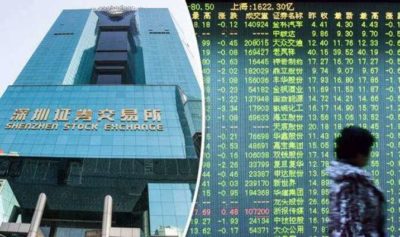
shanghai shares start week with losses 25 june 2018
Hong Kong, (UrduPoint / Pakistan Point News - 25th Jun, 2018 ) :Hong Kong and mainland Chinese stocks fell on...