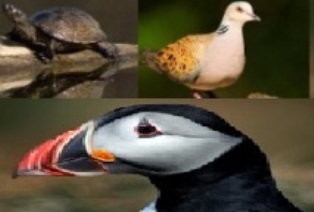
EUROPE: Atlantic puffins, Slavonian grebes, pochards and European turtle doves join the “Red List” of the worldwide Union for Conservation of Nature (IUCN), doubling the number of bird species given “vulnerable” status in the United Kingdom to eight.
It brings the number of United Kingdom species at risk of global extinction to eight, while another 14 United Kingdom species are considered to be “near threatened” – which means further declines in their fortunes could see them under threat of dying out.


The latest revision of a global conservation database has provided a few shocking results about the four bird species of the UK.
They are now considered “vulnerable to extinction” – the lowest of three categories, behind critically endangered and endangered. Two more wetland birds – the Horned Grebe and Common Pochard – were uplisted from Least Concern to Vulnerable; the Steppe Eagle (a grasslands raptor), a winter visitor to the subcontinent, was shunted to Endangered.
However, the list also had good news in that the passage migrant-European Roller-was downlisted (a sign of decreased threat) from near threatened to least concerned.
Year after year, the condition of birds, which are one of the most obvious indicators of the state of the natural environment, is deteriorating further, due to factors like habitat destruction and unsustainable development over the last couple of decades. Until past year, there were 173 threatened species in the country – in 2015, this hit 180, signifying rapid deterioration. Our conservation efforts are inadequate. We need to logically rethink the developmental agenda, especially for the habitats and areas where these species exist. Only one species has moved out of the Red List. They were the Woolly-necked Stork, Andaman Teal, Andaman Green Pigeon, Ashy-headed Green Pigeon, Red-headed Falcon, Himalayan Griffon, Bearded Vulture and Yunnan Nuthatch.