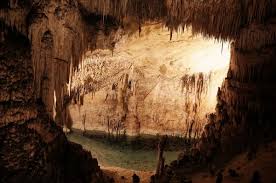


MEXICO: Experts from the National Park Service (NPS) have begun excavating the opening of a cave in South Dakota’s Black Hills to find out more information on how the climate of the region has changed throughout the course of thousands of years.
The Persistence Cave, located in the Wind Cave National Park, has been closed off since it was first discovered by a park service worker in 2004. The agency said this was in part to prevent amateur spelunkers from disturbing the well-preserved site.
Jim Mead, a professor at the East Tennessee State University, is set to lead a team of scientists in excavating the mouth of the cave and collect samples of animal bones and sediment for analysis.
The researchers have unearthed fossils of at least three species that have never been seen in the region before such as the platygonus, the pine marten and the pika. They have also recovered bones that are believed to be around 11,000 years old.
Mead said the discovery of the pika remains provide an interesting look at the ecology that existed in the area before. The animal, which resembles a rodent, still exists in cold, mountainous regions of North America. This suggests that the Black Hills could have been a very different environment from what it is today.

Karachi Port sets 138-year cargo handling record
KARACHI: Pakistan's maritime sector has achieved a major milestone as Karachi Port set a new record in its 138-year history...