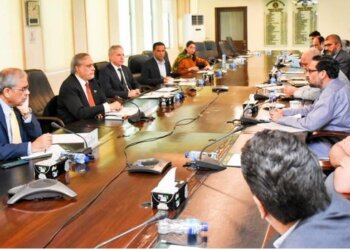
DHAKA: Exporters, bankers and analysts pose for photographs after attending a seminar on the garment sector at the Westin hotel in Dhaka yesterday. The discussion was part of the sixth HSBC Export Excellence Awards that will be given later this year.
Effective policy and its timely implementation are crucial for the garment sector in Bangladesh to tap the potential that exporters, the government and international organisations often discuss.
You might also like


“We need smart policies and their smart implementation. Besides, the labour law has to be implemented honestly to ensure the factories are safer and worker rights are respected,” said Prof Mustafizur Rahman, executive director of Centre for Policy Dialogue.
Both KM Rezaul Hasanat, chairman of Viyellatex Group, and MA Jabbar, managing director of DBL Group, said the government has taken a lot of initiatives following the twin tragedies — Rana Plaza building collapse and the Tazreen Fashions fire.
“But our expectations are higher than what the government is doing,” said Hasanat, a leading exporter in Bangladesh.
Jabbar, another leading exporter, said there are policies and initiatives in place, but implementation is slow. “It should pick up.”
They were speaking at a panel discussion on ‘Sustainable Development of Apparel Export: Priorities and Way Forward’ at the Westin Dhaka yesterday.
HSBC Bangladesh organised the seminar where business leaders, exporters, experts and economists discussed the potential and challenges faced by the apparel sector.
Bangladesh not being included in the latest list of the countries eligible for the US preferential trade benefit is an example of how delayed implementations of reforms could cost a country.
Although the US generalised system of preferences (GSP) used to bring negligible benefits to Bangladesh in terms of export earnings, as only five percent of the country’s exports going to the US market were covered by the duty-break, it was important for the country’s image, as many economists pointed out earlier.