Customs Today
  • Home
  • Islamabad
  • Karachi
  • Lahore
  • National
  • Transfers and Postings
  • Chambers & Associations
  • Business
No Result
View All Result
Customs Today
  • Home
  • Islamabad
  • Karachi
  • Lahore
  • National
  • Transfers and Postings
  • Chambers & Associations
  • Business
No Result
View All Result
Customs Today
No Result
View All Result
Home Business

Fauji Fertiliser increases urea prices by Rs80 per bag

byCT Report
20/03/2019
in Business, Latest News
Share on FacebookShare on Twitter

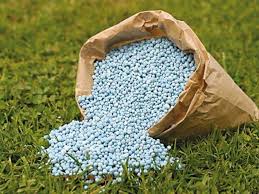
KARACHI: Fauji Fertilizer Company has increased urea prices due to expected increase in demand in the upcoming Kharif sowing season amid low inventory.

“As per our channel checks, Fauji Fertiliser Company has increased urea prices by Rs80 to Rs1,820 per bag,” said AKD Securities. “The price increase comes on the back of expected pickup in demand in the upcoming Kharif season amid low inventory levels.”


You might also like

New transit framework with Iran to position Pakistan as regional trade hub: ICCI

28/04/2026

Pakistan not seeking new financing from friendly countries: Aurangzeb

28/04/2026

As per January 2019 data, there is only 70,000 tons in urea inventory, according to the brokerage house. Engro Fertilisers, Fatima Fertiliser and Agritech Limited are looking at market reaction to the price hike by the Fauji group before taking any decision, according to an industry official. Fauji Fertiliser increased the urea price by Rs80 to Rs1,792, but the retail price in markets was Rs1,820 as distributors were taking advantage of the gap between supply and demand, according to Topline Securities’ analyst Shankar Talreja.

The absence of sufficient urea supply in the market has broadened the gap between demand and supply as some plants were shut down in January and February for annual maintenance. “Tight supply has resulted in increase in urea prices,” said AKD Securities’ analyst Aila Naeem. “The demand and supply situation is in favour of fertiliser players,” Naeem added. The company increased the price primarily due to inflationary pressure, Talreja pointed out, adding that the rupee depreciation and rise in prices of raw material had increased overall cost of the company.

The second reason for the price hike was the expected increase in gas prices from July 2019, he said. Gas infrastructure development cess (GIDC) had been an issue between the government and the industry, said the AKD Securities’ analyst, adding that fertiliser players claimed that they had been absorbing 90% of GIDC impact.

The government has hinted at waiving 50% of the cess on the fertiliser industry on the condition that it will reduce fertiliser prices by Rs200 per bag.

Related Stories

New transit framework with Iran to position Pakistan as regional trade hub: ICCI

byCT Report
28/04/2026

ISLAMABAD: Islamabad Chamber of Commerce and Industry (ICCI), has warmly welcomed the federal government’s recent decision to facilitate the transit...

Pakistan not seeking new financing from friendly countries: Aurangzeb

byCT Report
28/04/2026

SLAMABAD: Federal Minister for Finance and Revenue Senator Mohammad Aurangzeb has said that Pakistan has no intention to seek new...

Pakistani seafarers set sail on Norwegian-flagged ships under fresh MoU: Junaid Anwar Chaudhry

byCT Report
28/04/2026

ISLAMABAD: Federal Minister for Maritime Affairs Muhammad Junaid Anwar Chaudhry welcomed the signing of a memorandum of understanding (MoU) with...

PRA chairman reviews service sector’s revenue targets

byCT Report
28/04/2026

LAHORE: Punjab Revenue Authority Chairman Moazzam Iqbal Sipra chaired a meeting to review progress on revenue targets from the services...

Next Post

Cabinet decides to sell off property of federal ministries

  • Terms and Conditions
  • Disclaimer

© 2011 Customs Today -World's first newspaper on customs. Customs Today.

No Result
View All Result
  • Transfers and Postings
  • Latest News
  • Karachi
  • Islamabad
  • Lahore
  • National
  • Chambers & Associations
  • Business
  • About Us

© 2011 Customs Today -World's first newspaper on customs. Customs Today.