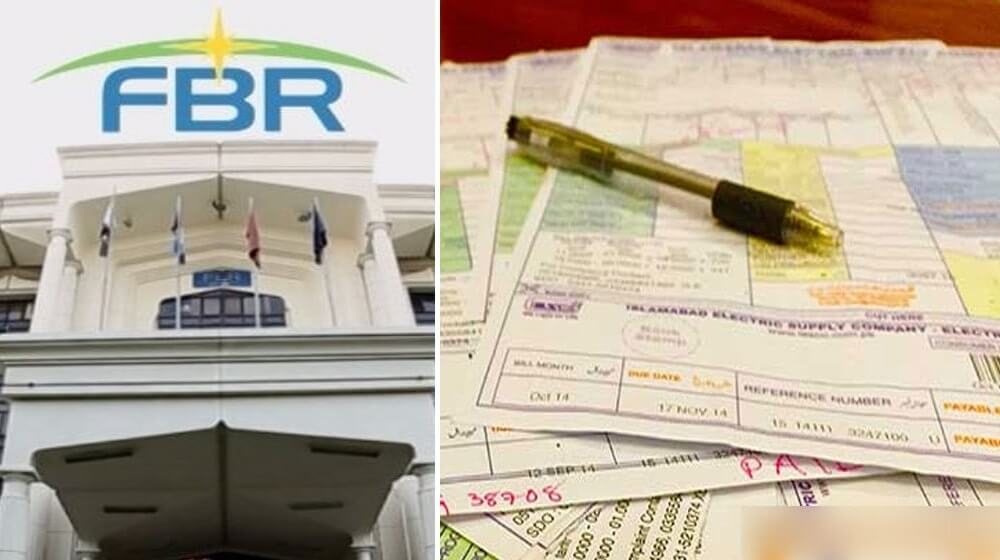
KARACHI: The Federal Board of Revenue (FBR) has reported a substantial revenue windfall, collecting a staggering Rs30 billion in withholding tax from electricity consumers in Karachi during the first ten months (July–April) of the current fiscal year 2024–25.
This impressive figure marks a sensational 52% surge in tax collection compared to the Rs19.50 billion collected in the same period last year, underscoring a significant increase in tax revenue from energy consumption in the metropolis.


According to sources within the FBR, the sharp rise in tax collections is attributed to a dual effect: increasing electricity tariffs and robust industrial demand within Karachi, which serves as Pakistan’s primary economic nerve center. The tax was predominantly collected by K-Electric, the sole electricity distribution company responsible for serving the city.
Officials indicated that the hike in withholding tax is directly linked to both increased power consumption and higher billing rates across a wide spectrum of consumers, encompassing both domestic and industrial sectors. “With Karachi’s industrial engines back in full throttle and temperatures soaring, electricity usage has skyrocketed — and so has the tax take,” a senior FBR official noted, highlighting the correlation between consumption patterns and revenue generation.
Taxation structure on electricity bills
Under Section 235 of the Income Tax Ordinance, 2001, the FBR is legally authorized to collect advance tax on electricity bills from commercial, industrial, and high-consumption domestic users. The tax is calculated based on the total amount of electricity consumed and is tiered progressively according to usage levels:
No tax is applied to monthly bills up to Rs500.
A 10% tax is levied on bills exceeding Rs500 but not more than Rs20,000.
For bills surpassing Rs20,000, commercial consumers face a charge of Rs1,950 plus 12% of the excess amount, while industrial consumers pay a flat 5% tax on such large bills.
Domestic users are taxed at a rate of 7.5% only if their monthly electricity bill exceeds Rs25,000.
Consumers who are actively listed on the Active Taxpayers’ List (ATL) are granted specific exemptions under defined slabs, providing some relief based on their tax compliance status.
The upward trend in collections intensified significantly in April 2025, with the FBR recording Rs2.50 billion from Karachi’s electricity consumption alone. This was a notable increase from the Rs1.64 billion collected in the same month last year, indicating accelerated growth in recent months.
Experts believe that this substantial surge in tax collection from electricity bills highlights two key aspects: the ongoing inflationary pressure on energy prices impacting consumers and businesses, and the government’s intensified drive to plug fiscal gaps primarily through indirect taxation. For Karachi, this situation reflects a paradox: rising power costs continue to burden households and businesses, while simultaneously fueling record tax gains for the FBR.
This extraordinary spike in tax collection from utility bills may set a precedent for future fiscal policy, suggesting that the FBR is likely to maintain its focus on utility-based taxation as a reliable and readily collectable revenue stream to meet its ambitious targets.