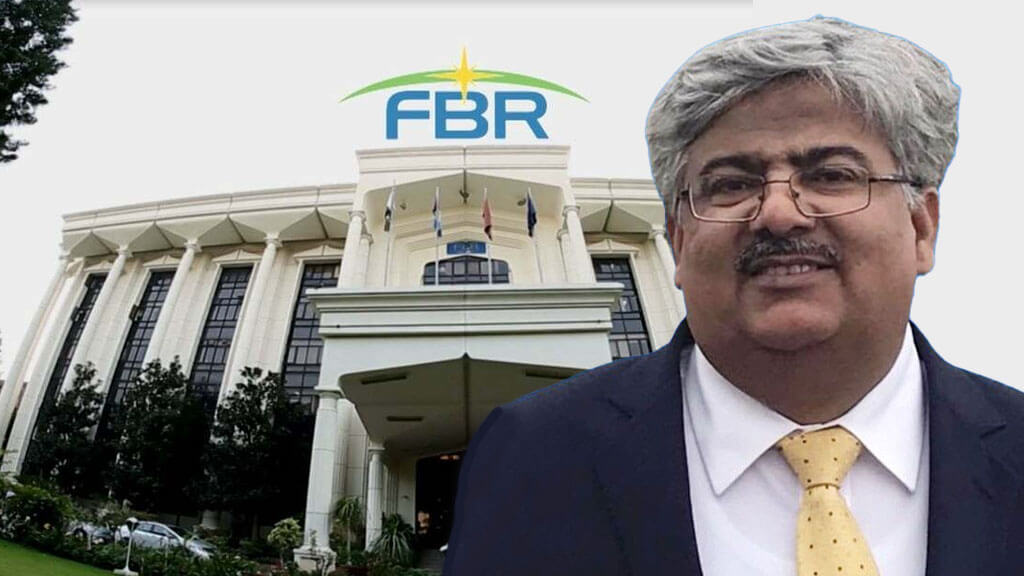
ISLAMABAD: In a significant move highlighting the Federal Board of Revenue’s (FBR) intensified efforts against tax evasion, Chairman Rashid Langrial publicly disclosed the names of several sugar mills allegedly involved in illicit activities during a session of the National Assembly Finance and Revenue Committee on Wednesday. The revelations underscore a systemic issue of tax non-compliance within the sugar industry.
Chairman Langrial detailed specific enforcement actions taken against these mills, uncovering a range of tactics used to conceal production, bypass digital monitoring, and dispatch undeclared sugar.


Key Cases of Alleged Tax Evasion:
Sarkand Sugar Mill: This mill was found operating a hidden chute designed to divert sugar output, thereby bypassing official monitoring systems. FBR authorities swiftly responded by sealing the concealed chute and confiscating a substantial 1,200 metric tons of undeclared sugar.
Chamber Sugar Mill: At this facility, production lines were allegedly disconnected from the digital monitoring infrastructure mandated by the FBR. As a result, the FBR seized 150 metric tons of untaxed sugar and impounded five transport vehicles implicated in the illegal operation.
Digri Sugar Mill: This mill faced the most severe action, being completely sealed by the FBR. The drastic measure was taken after the mill failed to provide custody of its video surveillance system, a critical compliance requirement under the FBR’s monitoring framework for industries.
Jauharabad Sugar Mill: This mill was found allegedly dispatching sugar bags without the mandatory Taxpayer Taped Stamp (TTS) stamps. In response, the FBR sealed its storage facilities and initiated a comprehensive stock audit to determine the extent of the evasion.
Tandlianwala Sugar Mill: This mill was cited for multiple surveillance failures, including incomplete CCTV coverage across its premises and malfunctioning automated bagging machines, commonly referred to as shooters. In light of these discrepancies, the weighbridge and the defective shooter system at the mill were sealed by the authorities.
Almoiz Industries Unit-2: This unit allegedly diverted sugar supplies to areas beyond the designated TTS coverage, indicating an attempt to move untaxed sugar into the market. Authorities swiftly sealed its entire bagging zone to halt the illicit dispatches.
Tariq Corporation (Jaranwala): This corporation also faced enforcement action after FBR investigations revealed discrepancies in its bag-count data and errors within its shooter systems, pointing towards underreported production.
Chairman Langrial’s public disclosure of these cases signals the FBR’s commitment to increased transparency and a zero-tolerance policy against tax evasion. The actions taken against these sugar mills are part of a broader crackdown aimed at formalizing the economy and ensuring that all taxable production is duly accounted for and taxed. These revelations are expected to put significant pressure on other industries to comply with FBR’s monitoring and taxation regimes.