ISLAMABAD: Federal Board of Revenue (FBR) and Sindh Revenue Board (SRB) have agreed on the parameters for cross-adjustment/verification of claim of input tax.
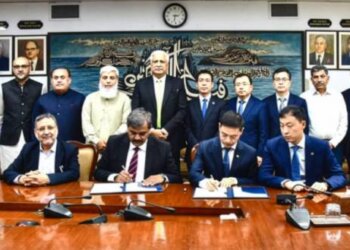
FBR and SRB have signed an agreement regarding the structure for cross-adjustment/verification of claim of input tax in light of the memorandum of understanding signed between both the authorities on March 13, 2014. In ‘violation’ of a 2014 MoU, between the Centre and provinces, the federal government had disallowed the input tax adjustment on provincial services in June this year.


In response to the difficulties being faced by the taxpayers due to change in the definition of ‘input tax’ relating to provincial services, representatives of FBR and SRB held several meetings to resolve the issue.
Finally, in the meeting held, FBR and SRB reached an agreement regarding the parameters for cross-adjustment/verification of claim of input tax in light of the MoU signed between the two authorities on 13/03/2014. The understanding was reached after extensive deliberations and meetings between the two revenue authorities.
The agreement shall facilitate the taxpayers and allow them to adjust provincial tax paid on services against their liability of sales tax on goods.
FBR Chairman Nisar Muhammad Khan, Member (IR Operations) Dr M Irshad, Member (Policy) Rehmatullah Khar, Chief (Automation and Sales Tax) Abdul Hameed Memon, Secy IR (LP & E)Raza Ashfaq, Secy (STM) M Muti-ur-Rehman and Senior Manager PRAL Abid Naeem, and from SRB, its Chairman Alamuddin Bullo, Advisor SRB SMH Kazimi, SRB Commissioner M Iqbal Lakho, DC SRB Muhammad Amir Sheikh, Assistant Commissioner Abdullah Soomro, and Senior Manager PRAL Shaique Jafri were present on the occasion.
Under the 2014 agreement, the FBR and SRB agreed that any person making supplies of taxable goods under the Sales Tax Act, 1990 will be allowed to adjust sales tax paid on taxable services received by him during business from a person working under Sindh Sales Tax on Services Act, 2011.
According to the draft of the proposed memorandum of understanding (MoU), it had been decided to allow taxpayers working under each of these laws to cross adjust sales tax paid on their inputs purchased/received from taxpayers working under the other law, from the sales tax payable on their supplies/services in accordance with the conditions specified in the law.