

CAPE TOWN: Fin24 reported that global drive towards lower carbon emissions and regulations addressing climate change are among the challenges to the coal mining sector, according to research by the Chamber of Mines. The chamber’s coal leadership forum released its coal strategy report at a briefing on the sidelines of the 2018 African Mining Indaba in Cape Town.
The strategy report was developed to determine how mining groups could continue producing coal in a world which is trying to manage climate change, according to Mr Henk Langenhoven, chief economist at the chamber.
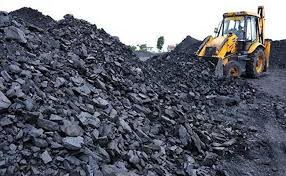
Coal mining is a significant contributor to the South African economy, said Langenhoven. It accounts for 81 000 direct jobs, and an estimated 170 000 indirect jobs. The industry paid employees ZAR 22 billion in 2016. Mr Langenhoven said that “Coal makes up the largest share of mining. It is vitally important for mining and vitally important for the country.”The report sketched out four possible future scenarios for South Africa’s coal mining industry until the year 2050. This scenario sees the coal sector slowly becoming obsolete as coal production declines at 0.5% per year. Contributing factors to this include public opinion discouraging coal use, environmental and water regulations that stifle coal use, limited access to capital, the collapse of export markets, and replacement by other energy sources such as nuclear or renewables as the baseload. The report read that “Nuclear power and renewable technology have supplanted coal as the country’s primary energy source while shale gas tags along close behind.” If coal demand declines by two-thirds of current domestic levels, producers may have to look for other markets to export to. But if there is an oversupply of coal globally, prices may collapse.
Under this scenario, coal mining communities suffer the most as people lose jobs and companies close.” Eventually investment in the sector will decline, forcing people to lose their jobs, the report indicated.
Tax revenue declines, even if the government introduces a renewable energy tax or levy. Government may be forced to raise personal and corporate tax. This scenario sees coal production growing by an average of 1%. Contributing factors to this include carbon tax being introduced across the board, land access becoming contentious, trade taxes effected on goods produced using coal power, Eskom continuing a policy of cost-plus contracts, renewable technologies not developing at the rate they should, oil prices remaining stagnant, and nuclear power becoming expensive.
In this case, the use of coal as baseload power is not criticised, but South Africa still abides by international commitments to reduce emissions. “The key to this outcome, which prevents coal from taking a dive, is the maintenance of Eskom coal cost-plus contracts,” the report emphasised.
Coal is an “indispensable” power source with production growing by 2.3%, provided that clean coal technologies are faster and cheaper to install and coal is the fuel of lowest risk providing the highest return. In this case Eskom should continue its cost-plus agreements, and internationally renewables have underperformed and coal technologies become cleaner and are less polluting.
Government will also be more “consultative and transparent” when it comes to policy. In this scenario there is also more certainty between the private sector and labour, coupled with multi-year wage agreements. This scenario builds on the previous one where coal is an indispensable power source, and sees coal production growing by 5% per year. Contributing factors include coal being the fuel of lowest risk, including in environmental hazards, and providing the highest return. Export demand also increases as enabling infrastructure is developed, government policy and regulation supports the coal industry and there is a balanced approach to transformation, with public opinion favouring coal.

lamic banking assets reach Rs14.47 trillion, sector share rises to 23%
KARACHI: Pakistan’s Islamic banking sector expanded during 2025, increasing its share in the country’s financial system with assets reaching nearly...