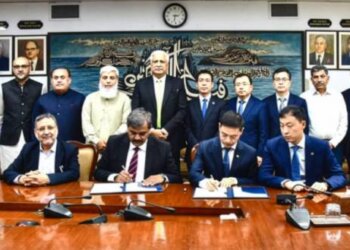
MULTAN: Federal Tax Ombudsman (FTO) Dr. Asif Mahmood Jah reaffirmed the protection of taxpayers’ rights under federal tax laws, including income tax, Customs, and sales tax, during a meeting with the Advisory Committee. He emphasized that a robust legal framework is in place to address taxpayers’ grievances and ensure fair treatment.
Dr. Jah underscored the need for taxpayers to be aware of their rights and responsibilities, as this knowledge is pivotal for resolving tax-related issues promptly and effectively. “The provisions of the law are specifically designed to ensure transparency, fairness, and accountability in tax matters,” he noted, urging taxpayers to familiarize themselves with these safeguards to avoid arbitrary decisions or undue exploitation.


Highlighting the importance of a collaborative approach, Dr. Jah stressed that building trust between taxpayers and authorities is essential for promoting voluntary compliance. “By understanding their rights and responsibilities, taxpayers not only protect themselves but also contribute positively to the national taxation system,” he stated.
Dr. Jah elaborated on the role of the FTO in resolving complaints related to maladministration, undue delays, and misapplication of tax laws. He assured the attendees that his office remains committed to addressing grievances impartially and efficiently. “Mechanisms are in place to provide relief to taxpayers without external pressures,” he added, emphasizing that the FTO operates as a neutral body to safeguard the interests of taxpayers.
He acknowledged the challenges taxpayers face in navigating complex tax laws, particularly those with limited professional understanding. He emphasized that ignorance of these laws often leads to taxpayers being deprived of their rights. Dr. Jah concluded by reiterating that a well-functioning tax system is integral to a nation’s economic strength, stating, “Tax is the byproduct of the economy, and a fair and transparent system is essential for its growth.”
The meeting served as a platform to encourage taxpayers to engage with the tax authorities confidently, ensuring that their legitimate concerns are addressed in a timely and fair manner.