ISLAMABAD: Frontier Oil Company (FOC), a joint venture involving the Frontier Works Organisation (FWO), Pakistan State Oil (PSO) and Azerbaijan’s state oil company Socar, has submitted a tariff petition to the Oil and Gas Regulatory Authority (OGRA), seeking to recover about $432 million in investment in the proposed 437 km Faisalabad-Thalian-Tarujabba White Oil Pipeline within four years through a guaranteed dollar-linked transportation tariff, according to a report by Dawn.
Under the proposed 30-year tariff structure, transportation of petroleum products from Faisalabad to Thalian near Rawalpindi and onward to Tarujabba near Peshawar would initially cost around $64 per tonne in 2029.


The tariff would gradually decline as debt is repaid and capital costs are recovered, reaching about $14.5 per tonne by 2058.
Ogra has published the tariff petition along with the project’s engineering design, volume stability report and financial model.
The Economic Coordination Committee (ECC) and federal cabinet have already backed key tariff arrangements, while Ogra is expected to approve the construction-stage tariff.
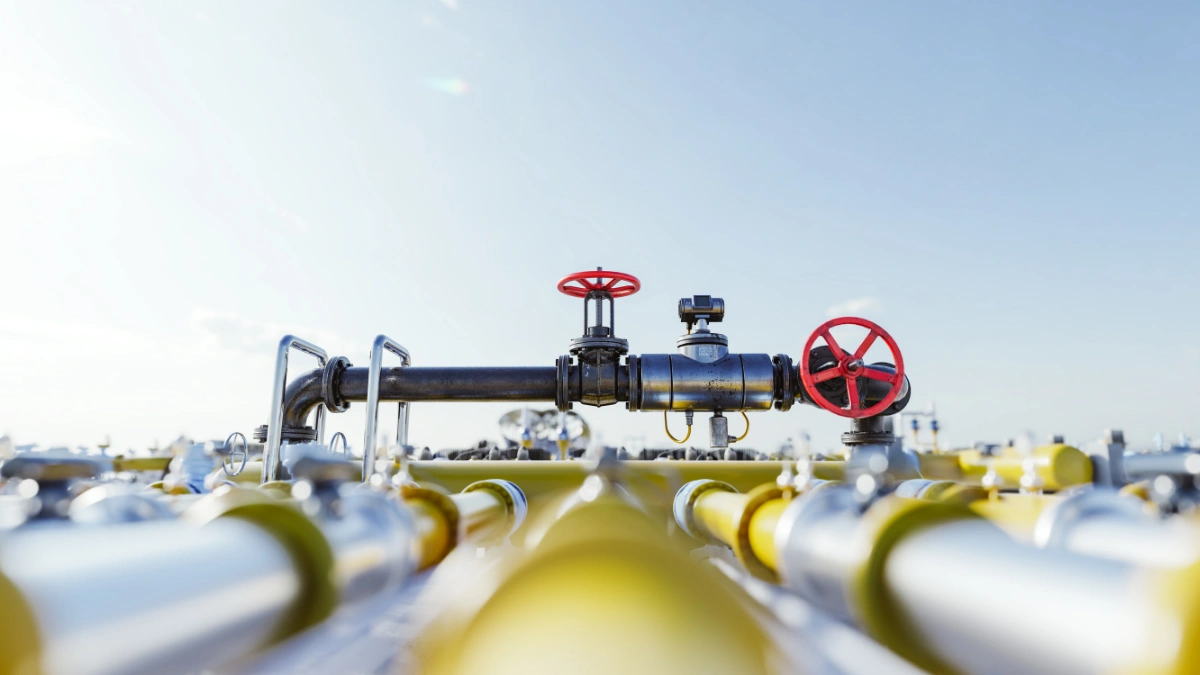
The project would complete a petroleum pipeline from Karachi to Peshawar and transport petrol and high-speed diesel from Gatti in Faisalabad to northern Punjab and Khyber Pakhtunkhwa. It is also intended to reduce reliance on road tankers and improve fuel supply security.
Around 70% of petrol and diesel is currently transported by road, compared with 28% through the existing Karachi-Machike pipeline network and 2% by rail. The proposed project is expected to increase the pipeline share by around 10 percentage points.
The pipeline would comprise a 256km, 20-inch section from Faisalabad to Thalian with initial capacity of seven million tonnes annually, expandable to 10 million tonnes. A 172km, 12-inch pipeline would extend from Thalian to Tarujabba with five million tonnes capacity, alongside a 9km spur from Thalian to Faqirabad.
The three sections are estimated to cost $320 million, $94 million and $17.5 million, respectively. The project would have a 55:45 debt-to-equity structure and a 30-year operating life.
However, the proposed four-year investment recovery and guaranteed dollar-based returns had drawn objections from the finance and power ministries.
The finance ministry had proposed extending the payback period to seven years to ease the tariff burden in the project’s early years. It also argued that dollarised returns should apply only to foreign investment rather than locally financed portions of the project.
Power Minister Awais Leghari had similarly called for scrutiny of the project’s cost and internal rate of return in light of Pakistan’s experience with independent power producers.
Socar had sought a “ship or pay” arrangement under which payment would be made for committed pipeline capacity even if the contracted volume of petroleum products was not transported.
The ECC, however, overruled the ministries’ reservations, arguing that changes to the proposed terms could undermine the project’s attractiveness and that the investment should be considered from a broader strategic perspective.
Under the proposed framework, the pipeline would become a default mode of petroleum transportation. Oil marketing companies would commit minimum annual volumes, while any shortfall would be covered through the Inland Freight Equalisation Margin.
Ogra will develop the regulatory framework for the arrangement, with the tariff denominated in US dollars and linked to optimal utilisation of the pipeline’s capacity.