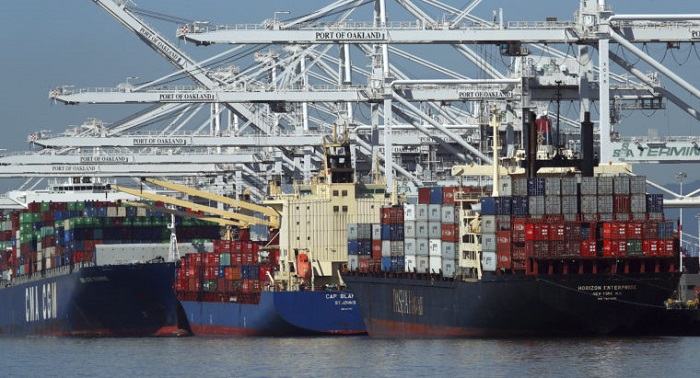
WASHINGTON: When Michael von Harten started loading cars onto ships in the German port of Bremerhaven 27 years ago, the facility handled some 700,000 vehicles a year. That number has since surged to 2.1 million, fueled by a dramatic increase in trade that has created thousands of jobs and shored up the local economy. In a town with few options, Von Harten is concerned President Trump could threaten Bremerhaven’s main source of prosperity.
The new U.S. president has called on Germany to rein in its 253 billion euro ($272 billion) trade surplus, saying he may impose stiff tariffs on imported goods. As Angela Merkel prepares for a meeting Friday at the White House — the chancellor’s first encounter with Trump after months of verbal sparring over trade issues — Germans want her to push back against any restrictions that would hurt their livelihood and threaten their country’s economy. “I worry about someone like Trump banging his drum and slapping tariffs on our exports,” von Harten says as he surveys the Bremerhaven quays, where a half-dozen ships the size of floating warehouses are being loaded with VWs, Porsches, Audis, BMWs and other jewels of German manufacturing. “Of course we would feel that.”