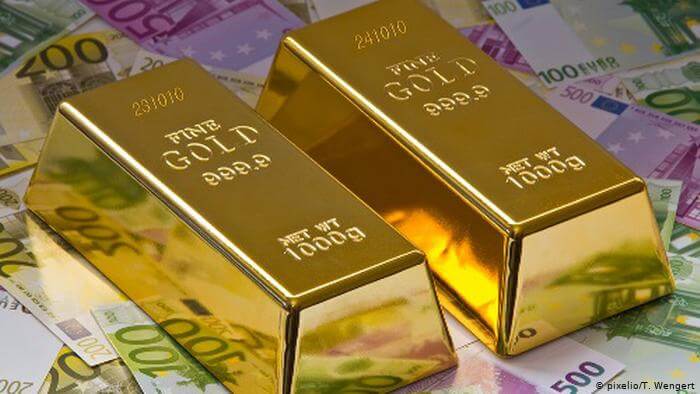
BERLIN: According to Germany’s Federal Statistical Office, the country’s goods and services surplus was 22.9 billion euros in September 2015. Its trade surplus rose by 7.6 billion euros. September imports and exports were 83.0 billion euros and 105.9 billion euros, respectively.
Compared to the previous month, Germany’s exports rose by 20.3% and imports rose by 14.2% in September. Though the country’s trade surplus has widened, the iShares MSCI Germany ETF (EWG) has fallen 1.6% as of November 9, 2015.
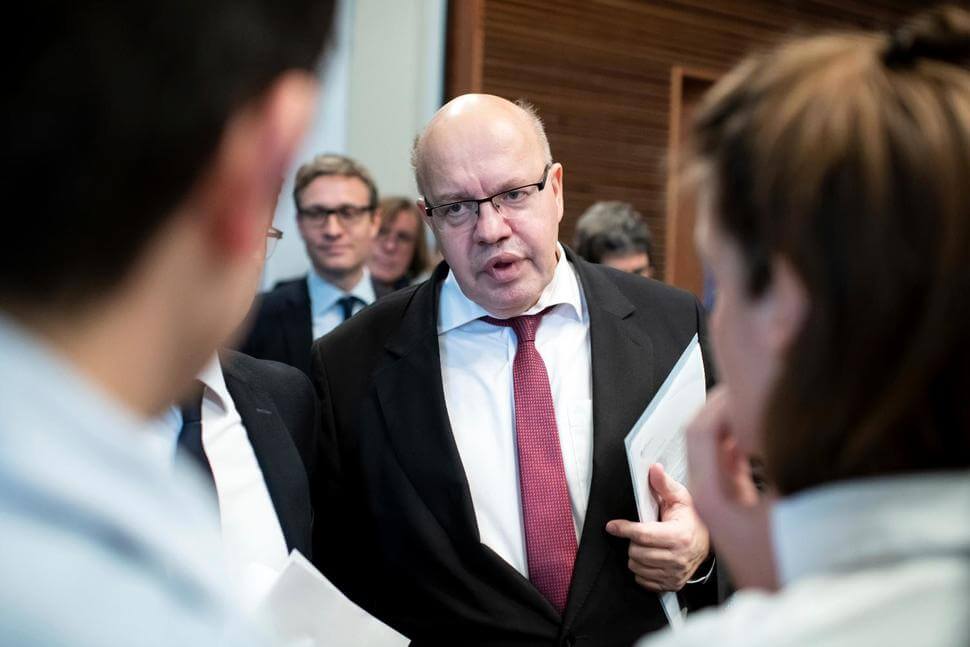
EWG has lost 3.4% year-to-date as of November 9. Siemens (SIEGY) has fallen 11.2%, whereas SAP (SAP) has gained 13.2% over the same period.
In September, Germany exported goods to the value of 62.2 billion euros to the European Union (or EU), while it imported goods to the value of 55.3 billion euros from those countries. On a yearly basis, exports to EU countries rose by 7.4%, and imports from those countries by rose by 6.6%.
Exports of goods to developing countries amounted to 43.7 billion euros in September 2015, while imports from those countries totaled 27.6 billion euros. As compared with September 2014, exports rose by 0.4% and imports fell by 1.1%.
Over the past year, automobile company Daimler (DDAIF) is up 7.7%, while Volkswagen (VLKAY) has fallen 38.6% as of November 9, 2015.
Germany’s trade surplus unexpectedly widened in September 2015. A rise in exports at a faster rate than imports aided this. Industrial stocks Deutsche Post (DPSGY) and GEA Group Aktiengesellschaft (GEAGY) were down 1.6% and 1.5%, respectively, as of November 9, 2015.
The rise in export orders may provide some relief to manufacturers struggling with slowdown and weak demand. Let’s look at the United Kingdom’s foreign trade details in the next article.