NEW YORK: When you’re picking out a beer, what flavors do you look for? If hints of soured milk and burnt rubber sound delightful to you, then brews that were aged for 170 years at the bottom of the Baltic Sea just might be your thing.
Scientists recently opened two bottles of beer from a shipwreck off the coast of Finland to get a profile of the 19th-century brews.


Some seawater had seeped into the bottles, and decades of bacterial activity gave the beer some rather unpleasant notes. But enough compounds from the drinks survived that the researchers were able to tell that the beers’ original flavors probably would have been similar to those of modern beers. [In Photos: Baltic Sea Shipwreck Yields 200-Year-Old Seltzer Bottle]
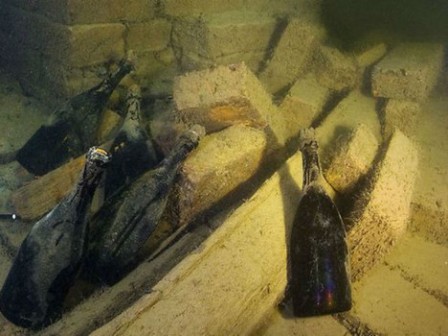
The bottles came from 165 feet (50 meters) beneath the surface of the Baltic, from the wreckage of a schooner that sank near Finland’s Aland Islands in the 1840s. In 2010, divers found 150 bottles of champagne at the wreck, as well as five beer bottles.
One of the bottles broke in the divers’ boat and started to foam. Some gastronomically adventurous divers attested that the liquid indeed tasted like beer, according to the study authors, who published their findings in the Journal of Agricultural & Food Chemistry last month.
For a more scientific examination of the beers’ flavor, the research team, led by John Londesborough of the Technical Research Center of Finland, uncorked two of the surviving bottles. The researchers were hit with a ripe mixture of smells: yeast extract, dimethyl sulfide (think cabbage), Bakelite (a fishy smelling retro plastic), burnt rubber, overripe cheese, goat and sulfur.
These unsavory notes were likely the result of bacteria growing inside the bottles for decades, overpowering whatever fruity, malt or hop profiles the beer originally had, the researchers wrote.
The beers were also “bright golden yellow, with little haze,” and they may have been diluted by seawater by up to 30 percent, the researchers said. So the drinks might have been stronger than their current alcohol-by-volume levels of 2.8 to 3.2 percent.